
Golden Retriever: Complete Breed Guide, Temperament, Care, and Characteristics
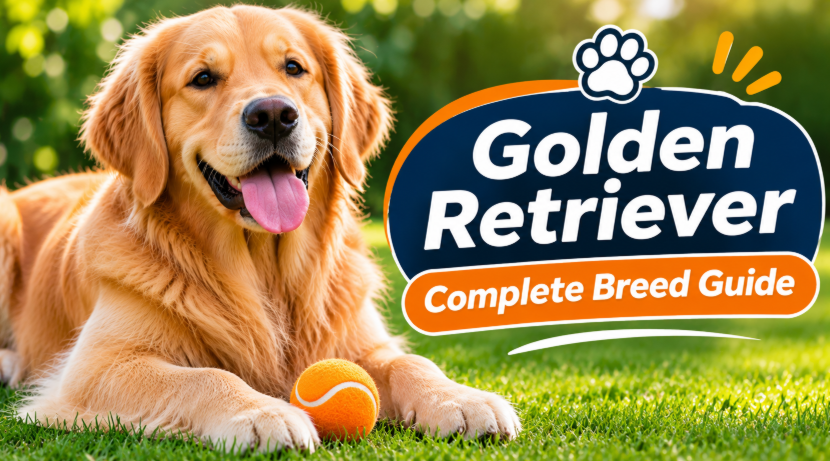
The Golden Retriever is one of the most beloved dog breeds in the world, recognized for its beautiful golden coat, friendly personality, and remarkable intelligence. Originally developed as a working dog in Scotland, this breed has become a popular companion for families, active individuals, and people looking for an affectionate canine friend.
However, owning a Golden Retriever involves more than enjoying its playful personality. These dogs need regular exercise, proper nutrition, consistent training, grooming, and preventive veterinary care.
Whether you are thinking about welcoming one into your home or simply want to learn more about this popular breed, this guide explores its history, physical characteristics, temperament, daily care requirements, and common health concerns.
1. History and Origin of the Golden Retriever
The Golden Retriever originated in Scotland during the nineteenth century. The breed was developed to retrieve game birds during hunting activities, particularly in environments where dogs needed to work across different types of terrain and in water.
Breeders selected dogs with intelligence, endurance, retrieving instincts, and a willingness to cooperate with people. These qualities helped create a versatile sporting dog capable of performing demanding outdoor tasks.
Over time, Golden Retrievers became popular beyond hunting communities. Their trainability and friendly disposition made them suitable for family companionship, assistance work, and canine activities.
Today, they remain one of the most recognizable sporting breeds. The American Kennel Club's Golden Retriever breed profile provides additional information about the breed's history, appearance, and characteristics.
2. Physical Characteristics and Size
Golden Retrievers are medium-to-large sporting dogs with strong, balanced, athletic bodies. Their physical structure reflects their original purpose as active working dogs.
According to the American Kennel Club breed standard, typical adult measurements are:
-
Male height: 23–24 inches.
-
Female height: 21.5–22.5 inches.
-
Male weight: 65–75 pounds.
-
Female weight: 55–65 pounds.
Their most recognizable feature is their dense double coat, which ranges from light golden to darker golden shades.
The outer coat may be straight or wavy, while the undercoat provides additional insulation. They also have broad heads, dark eyes, floppy ears, and feathering around the chest, legs, and tail.
Their water-resistant coat is particularly useful because the breed was originally developed for retrieving work around water.
3. Golden Retriever Temperament and Personality
One of the main reasons people choose this breed is its generally friendly and affectionate personality.
Golden Retrievers are typically sociable dogs that enjoy spending time with their families. They often develop strong relationships with their owners and prefer being included in everyday activities.
Some common personality characteristics include:
-
Friendly: They are generally welcoming toward familiar people and visitors.
-
Intelligent: They can learn commands, routines, and new activities.
-
Loyal: They often develop strong bonds with their families.
-
Playful: Many remain enthusiastic about games throughout adulthood.
-
Cooperative: Their willingness to work with people can make training enjoyable.
Many Golden Retrievers become wonderful family companions. However, interactions between dogs and young children should always be supervised.
Individual personalities can vary depending on genetics, early socialization, training, and everyday experiences.
4. Exercise and Daily Activity Requirements
Golden Retrievers are active dogs that benefit from regular physical and mental stimulation.
Because they were originally bred for retrieving work, they generally enjoy activities involving movement, exploration, and interaction.
Some suitable activities include:
-
Daily walks appropriate for their age and fitness.
-
Playing fetch in a secure area.
-
Swimming in safe, supervised environments.
-
Interactive games and food puzzles.
-
Basic obedience training.
-
Exploring new environments during walks.
Puppies require special consideration because their bodies are still developing. Exercise should be appropriate for their age, avoiding excessive forced or high-impact activities.
Adult dogs generally benefit from a consistent activity routine. Their individual exercise requirements depend on age, health, fitness, and energy levels.
Mental stimulation is equally important. Scent games, interactive toys, and learning new commands can help prevent boredom.
If you want to learn more about keeping dogs active, our guide to how much exercise dogs need every day will provide additional practical advice.
5. Grooming and Coat Maintenance
The Golden Retriever's beautiful coat requires regular attention. These dogs shed throughout the year, with heavier shedding often occurring during seasonal coat changes.
A consistent grooming routine helps remove loose hair, reduce tangles, and maintain coat condition.
Important grooming habits include:
-
Brushing: Brush several times a week, increasing frequency during heavier shedding periods.
-
Bathing: Bathe when necessary using a suitable dog shampoo.
-
Ear care: Check the ears regularly for unusual odor, redness, or discharge.
-
Nail trimming: Keep nails at an appropriate length.
-
Dental hygiene: Establish regular toothbrushing with dog-safe toothpaste.
Pay particular attention to feathered areas around the ears, chest, legs, and tail, where tangles can develop.
Avoid shaving the double coat without veterinary guidance, as it provides natural protection.
Our upcoming guide to essential dog grooming tips will explain how to establish a practical grooming routine.
6. Nutrition and Feeding Recommendations
Proper nutrition supports healthy development, energy levels, muscle maintenance, and overall well-being.
Golden Retrievers need a complete and balanced diet appropriate for their life stage. Puppies, adults, and senior dogs may have different nutritional requirements.
When selecting food, consider:
-
The dog's age and activity level.
-
Whether the food is complete and balanced.
-
Its nutritional adequacy for the appropriate life stage.
-
Individual dietary requirements.
-
Portion sizes based on the dog's needs.
The WSAVA Global Nutrition Guidelines provide useful information about nutritional assessment and selecting appropriate diets for companion animals.
Golden Retrievers can be enthusiastic eaters, so measuring portions and monitoring body condition are helpful habits.
Fresh drinking water should always be available.
For more information, our guide to complete dog nutrition will explore food selection, feeding routines, and nutritional needs in greater detail.
7. Common Golden Retriever Health Concerns
Golden Retrievers can enjoy active lives, but like other breeds, they may be predisposed to certain inherited health conditions.
Some important concerns include:
-
Hip dysplasia: A developmental condition affecting the hip joints.
-
Elbow dysplasia: Developmental abnormalities involving the elbow joint.
-
Eye conditions: Certain inherited eye diseases can affect the breed.
-
Heart conditions: Some Golden Retrievers may develop inherited cardiac problems.
-
Cancer: Several forms of cancer are important health concerns in this breed.
The Golden Retriever Club of America health screening recommendations explain the importance of evaluating breeding dogs for certain inherited conditions.
If you are considering purchasing a puppy, ask the breeder for documented health screening results for the parents.
These evaluations can help identify certain inherited risks, although no screening can guarantee that a dog will never develop a medical condition.
Regular veterinary examinations, preventive care, appropriate nutrition, and maintaining a healthy body condition are important throughout the dog's life.
If you notice persistent changes in appetite, behavior, movement, or general condition, contact a veterinarian rather than attempting to diagnose the problem yourself.
8. Is a Golden Retriever the Right Dog for Your Family?
Golden Retrievers can adapt to different households when their physical, social, and emotional needs are properly understood.
They may be suitable for people who:
-
Enjoy outdoor activities and regular walks.
-
Have enough time for companionship and interaction.
-
Can maintain a consistent grooming routine.
-
Are prepared to provide ongoing training.
-
Can afford routine veterinary care.
However, they may not be the best choice for households that cannot provide regular exercise, companionship, and coat maintenance.
They also shed considerably, so prospective owners should consider whether they are comfortable managing dog hair around their homes.
Before choosing a puppy, consider adoption through a reputable rescue organization or finding a responsible breeder who prioritizes health, temperament, and appropriate living conditions.
9. Frequently Asked Questions About Golden Retrievers
How long do Golden Retrievers live?
Golden Retrievers commonly have an expected lifespan of approximately 10–12 years. Genetics, healthcare, nutrition, and lifestyle can influence individual longevity.
Are Golden Retrievers easy to train?
Generally, yes. Their intelligence and willingness to cooperate make them responsive to positive reinforcement training.
Do Golden Retrievers shed a lot?
Yes. They shed throughout the year, with heavier shedding often occurring during seasonal coat changes.
Are Golden Retrievers good with children?
Many are affectionate and patient companions. However, interactions with young children should always be supervised.
Can Golden Retrievers live in apartments?
They can adapt to apartment living if their exercise, enrichment, and companionship needs are consistently met.
Conclusion
Golden Retrievers are intelligent, affectionate, and versatile dogs that can make wonderful companions for households prepared to meet their needs.
Their friendly personalities, trainability, and enthusiasm for outdoor activities make them a popular choice among dog lovers.
However, responsible ownership requires more than choosing a breed based on appearance or popularity. Regular exercise, grooming, balanced nutrition, positive training, and preventive veterinary care are essential.
By understanding the breed's characteristics and responsibilities before bringing one home, prospective owners can make a more informed decision and provide a suitable environment for their future companion.
Deja un comentario