
Dog Feeding Schedule: How to Create a Healthy Daily Routine
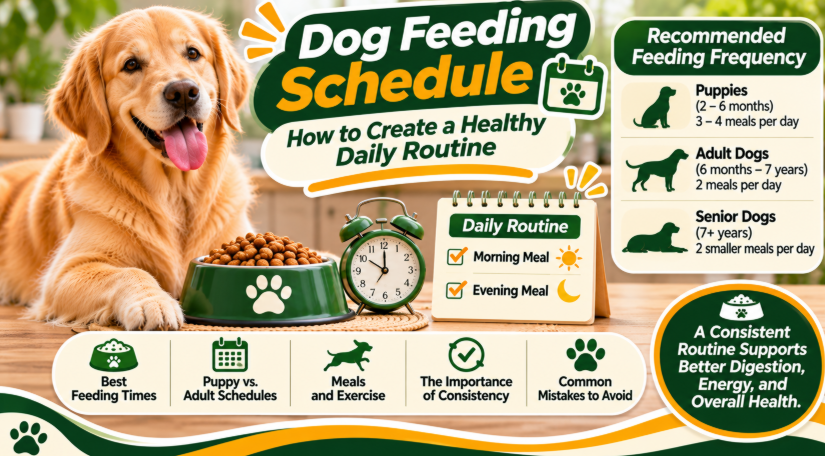
Feeding your dog at the right time is an important part of maintaining a healthy lifestyle. Although choosing nutritious food matters, establishing a consistent feeding routine can also make everyday life easier for both you and your companion.
Some dogs eat as soon as their bowls are filled, while others prefer taking their time. Regardless of their eating habits, having predictable meal times helps owners monitor appetite, manage portions, and recognize changes in eating behavior.
But how often should you feed your dog? Does a puppy need a different schedule from an adult dog? And what about senior pets?
In this guide, we will explore practical feeding schedules for different life stages and explain how to build a routine that works for your dog's individual needs.
1. Why Is a Consistent Dog Feeding Schedule Important?
Dogs often become accustomed to predictable daily activities. Establishing regular meal times can help create structure and make their everyday routine easier to manage.
A consistent feeding schedule offers several advantages:
- Makes it easier to monitor daily food intake.
- Helps owners recognize changes in appetite.
- Supports portion control.
- Makes bathroom routines more predictable.
- Helps organize exercise and other daily activities.
- Makes medication schedules easier when food is required.
According to VCA Animal Hospitals, regular feeding times can also help owners recognize when a dog starts eating less than usual.
2. How Many Times a Day Should You Feed Your Dog?
The ideal feeding frequency depends on age, size, health, and individual nutritional requirements.
Here is a general starting point:
| Life stage | General daily meals |
|---|---|
| Young puppies | 3–4 meals |
| Puppies around 6–12 months | 2–3 meals |
| Healthy adult dogs | Usually 2 meals |
| Senior dogs | Usually 2 meals, adjusted individually |
These are general recommendations rather than strict rules. Some dogs need different schedules because of their health or lifestyle.
The Merck Veterinary Manual provides additional guidance on feeding frequency during different stages of canine development.
3. Creating a Morning and Evening Feeding Routine
For many adult dogs, two daily meals are a practical way to divide their food intake.
You do not need complicated arrangements. The most important thing is choosing times you can maintain consistently.
For example:
Morning meal: 7:00 AM
- Provide the measured morning portion.
- Make sure fresh drinking water is available.
- Allow your dog an opportunity to go outside afterward.
Evening meal: 6:00 PM
- Serve the remaining daily food portion.
- Maintain a calm feeding environment.
- Continue with the usual evening bathroom routine.
These times are examples, not mandatory feeding hours. Your dog's routine can be adjusted to suit your household.
4. Feeding Schedules for Puppies
Puppies have different nutritional needs because they are growing rapidly and have smaller stomachs.
Providing several smaller meals throughout the day can help distribute their daily nutritional intake.
A general schedule might look like this:
Young puppies: Three to four meals daily.
Growing puppies around six months: Approximately three meals daily, depending on individual needs.
Older puppies approaching adulthood: Often two meals daily.
For example, a young puppy might eat at 7:00 AM, 12:00 PM, 5:00 PM, and 9:00 PM.
As your puppy grows, its feeding frequency can gradually change.
Always use food formulated for growth and consult your veterinarian about the appropriate transition to adult food.
Read our puppy nutrition guide for more information about the nutritional needs of growing dogs.
5. Do Adult Dogs Need Different Feeding Times?
Most healthy adult dogs do well with two meals distributed throughout the day.
However, activity level and medical requirements can influence the ideal schedule.
For example, a dog that exercises regularly may have different energy requirements from a companion that spends most of its time indoors.
Some dogs also benefit from smaller, more frequent meals.
The important thing is to maintain the recommended daily food quantity rather than automatically increasing portions whenever your dog appears hungry.
You can learn more in our guide to appropriate dog food portions.
6. What About Feeding Senior Dogs?
Older dogs may experience changes in appetite, activity, digestion, and overall health.
However, getting older does not automatically mean a dog needs fewer meals.
Many senior dogs continue eating twice daily, while others may benefit from adjustments recommended by their veterinarian.
Consider these factors:
- Changes in daily activity.
- Dental problems that affect eating.
- Changes in appetite.
- Digestive sensitivity.
- Medical conditions requiring specific diets.
- Weight changes.
If your senior dog suddenly refuses food or develops an unusual eating pattern, seek veterinary advice.
Our senior dog nutrition guide explores dietary considerations for aging companions.
7. Should You Feed Your Dog Before or After Exercise?
Meal timing and physical activity should be considered together.
Avoid scheduling vigorous exercise immediately before or after a large meal.
This is particularly important for large, deep-chested breeds that may be more susceptible to gastric dilatation-volvulus, commonly known as bloat.
A calm bathroom walk is different from intense running, jumping, or strenuous exercise.
Allow an appropriate resting period around meals, and ask your veterinarian for breed-specific recommendations.
8. Common Dog Feeding Schedule Mistakes
Even responsible owners can develop feeding habits that make daily nutrition less consistent.
Avoid these common mistakes:
- Changing meal times constantly.
- Giving excessive snacks between meals.
- Feeding unmeasured portions.
- Allowing unlimited food when your dog tends to overeat.
- Ignoring changes in appetite.
- Scheduling strenuous exercise immediately around meals.
- Forgetting to provide fresh drinking water.
If you need to change your dog's food or feeding routine, gradual adjustments are generally preferable unless your veterinarian recommends otherwise.
You can also read our article about proper dog food storage to learn how to maintain food freshness between meals.
9. How to Build a Feeding Routine That Works
The best feeding schedule is one that meets your dog's nutritional needs and fits naturally into your household.
Start by following the food manufacturer's feeding recommendations and your veterinarian's advice.
Then establish consistent meal times, measure daily portions, and monitor your dog's body condition.
Remember that routines should be flexible enough to accommodate changes in age, activity, health, and lifestyle.
A good schedule is not about following the clock perfectly. It is about providing consistent care and making sure your dog receives appropriate nutrition every day.
Frequently Asked Questions About Dog Feeding Schedules
What is the best time to feed a dog?
Many owners choose morning and evening meals. There is no single ideal time for every dog, provided its nutritional requirements are met.
Should dogs eat twice a day?
Two daily meals work well for many healthy adult dogs. Puppies and dogs with certain medical conditions may need more frequent meals.
Can I change my dog's feeding schedule?
Yes. Gradual adjustments can help your dog adapt to a new routine. Follow veterinary advice when medical or dietary requirements are involved.
Should I feed my dog at exactly the same time every day?
Maintaining reasonably consistent meal times is helpful, although small variations are generally manageable.
Do senior dogs need smaller meals?
Not necessarily. Some senior dogs do well with their usual meal frequency, while others benefit from individual adjustments based on their health and appetite.
Conclusion
Creating a consistent dog feeding schedule is a simple but valuable part of responsible pet care.
Whether you have a growing puppy, an active adult dog, or an aging companion, establishing appropriate meal times can help organize daily nutrition and make changes in eating habits easier to recognize.
Focus on suitable portions, consistent routines, fresh drinking water, and your dog's individual needs.
With a little planning and guidance from your veterinarian, feeding time can become a positive and predictable part of your dog's everyday life.
Deja un comentario