
Dog Food Storage: How to Keep Your Dog's Food Fresh and Safe
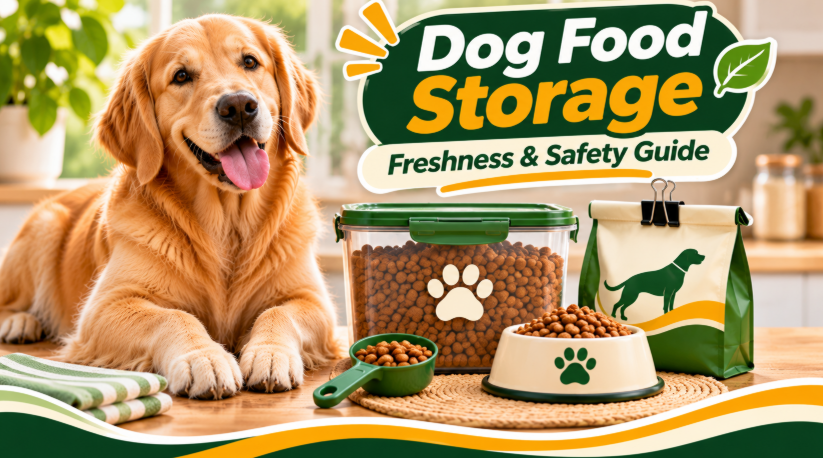
Buying good-quality dog food is only part of providing proper nutrition. How you store it at home also matters. Even a complete and balanced formula can lose freshness or become contaminated when exposed to excessive heat, moisture, air, or pests.
Many owners transfer kibble into containers, leave opened cans uncovered, or forget to check expiration dates. These small habits can affect food quality and safety.
The good news is that keeping your dog's meals fresh does not require complicated equipment. A few simple storage practices can make a meaningful difference.
In this guide, we will explain how to store dry and wet dog food, recognize signs of spoilage, and avoid common storage mistakes.
1. Why Proper Dog Food Storage Matters
Dog food contains nutrients that need to be protected during storage. Exposure to heat, moisture, and air can affect product quality over time.
Improper storage can also increase the risk of contamination from insects, rodents, or harmful microorganisms.
Good storage habits help:
- Preserve food quality and freshness.
- Reduce exposure to moisture.
- Protect food from insects and pests.
- Maintain important product information.
- Reduce unnecessary food waste.
Following the manufacturer's storage instructions is always a good starting point.
2. How to Store Dry Dog Food Properly
Dry kibble is convenient because it can be stored for longer periods than opened wet food. However, it still needs appropriate protection.
The U.S. Food and Drug Administration (FDA) recommends keeping dry pet food in its original bag, with the opening tightly folded or sealed.
Here are some useful practices:
Keep the original packaging: The bag contains important information, including the product name, manufacturer, lot number, and best-by date.
Choose a cool, dry location: Store kibble indoors, away from direct sunlight, excessive heat, and humidity. The FDA recommends temperatures below 80°F (approximately 27°C).
Seal the bag properly: Close the opening after every feeding to reduce exposure to air and moisture.
Keep food away from pests: Store supplies in a secure location where dogs and other animals cannot access them freely.
For additional nutritional information, see our guide to understanding dog food ingredients.
3. Should You Use an Airtight Dog Food Container?
Yes, a suitable storage container can help protect kibble when used correctly.
However, one important detail is often overlooked: the original food bag should ideally remain inside the container.
This helps preserve the product information and creates an additional barrier between the kibble and the container's surfaces.
Look for a container that has:
- A secure, well-fitting lid.
- Clean, dry interior surfaces.
- Enough space for the original food bag.
- Materials suitable for food storage.
- A location away from heat and moisture.
Before adding a new bag of food, wash and completely dry the container to remove leftover crumbs and accumulated oils.
Avoid simply adding fresh kibble on top of old food.
4. How to Store Wet and Canned Dog Food
Wet dog food requires different storage practices because of its moisture content.
Unopened cans and pouches should be stored in a cool, dry location according to the manufacturer's instructions.
Once opened, however, leftover food needs prompt attention.
Follow these recommendations:
- Cover unused portions securely.
- Place them in the refrigerator promptly.
- Keep the refrigerator at 40°F (4°C) or below.
- Follow the product label for recommended refrigerated storage times.
- Discard food that has exceeded the manufacturer's recommended storage period.
You can use a suitable reusable pet food lid or another food-safe cover to protect opened cans.
Never assume that wet food remains safe indefinitely simply because it has been refrigerated.
5. Understanding Dog Food Expiration Dates
Dog food packaging usually includes a best-by or expiration date.
These dates help owners understand the manufacturer's recommended period for product quality.
Before purchasing a bag or can, check the date and inspect the packaging.
Pay attention to:
Best-by dates: Follow the manufacturer's instructions regarding the recommended period of use.
Lot numbers: These identify specific production batches and can be important when checking product recalls.
Damaged packaging: Avoid products with torn bags, broken seals, leaking cans, or unusual swelling.
Keeping the original packaging is particularly helpful if you ever need to report a problem with a product.
You can also learn more about reading dog food labels to understand the information printed on commercial food packages.
6. How to Recognize Spoiled Dog Food
Sometimes food may develop problems before its printed date, especially when it has been stored improperly.
Pay attention to unusual changes such as:
- A strong or unpleasant smell.
- Visible mold.
- Unusual discoloration.
- Changes in texture.
- Moisture inside dry kibble packaging.
- Swollen or leaking cans and pouches.
If you notice these signs, stop feeding the product.
Do not taste suspicious food or attempt to make it safe by mixing it with fresh kibble. When in doubt, discard it securely and replace it.
If your dog becomes sick after eating a questionable product, contact your veterinarian.
7. Common Dog Food Storage Mistakes
Even well-intentioned owners can develop habits that affect food quality.
Avoid these common mistakes:
Leaving bags open: Unsealed packaging increases exposure to air and moisture.
Storing food in hot locations: Garages, outdoor spaces, and areas exposed to direct sunlight may experience unsuitable temperature changes.
Mixing old and new kibble: This makes it harder to monitor freshness and clean the storage container properly.
Ignoring packaging information: Removing or throwing away the original bag can make product identification difficult.
Leaving wet food uncovered: Opened food should be covered and refrigerated promptly.
Using dirty measuring utensils: Scoops should be cleaned regularly and used only for pet food.
For more information about daily feeding amounts, read our article on dog food portions and feeding recommendations.
8. Keeping Your Dog's Feeding Area Clean
Storage is only one part of maintaining good food hygiene.
Your dog's feeding area also deserves regular attention.
Wash food bowls after meals, clean measuring utensils, and provide fresh drinking water every day.
Wash your hands with soap and water after handling pet food, especially when working with products that require refrigeration.
Keep food supplies away from household cleaning products and other substances that could accidentally contaminate them.
The FDA's pet food handling recommendations provide additional advice for maintaining good hygiene.
Frequently Asked Questions About Dog Food Storage
How long does dry dog food stay fresh after opening?
There is no universal timeframe for every product. Follow the manufacturer's recommendations and protect the food from heat, air, and moisture.
Should I refrigerate dry dog food?
Generally, no. Dry kibble should be kept in a cool, dry location unless the manufacturer provides different instructions.
Can I store dog food in a plastic container?
Yes, provided it is clean, dry, suitable for food storage, and has a secure lid. Keeping the original bag inside is preferable.
Does opened wet dog food need refrigeration?
Yes. Promptly cover and refrigerate unused portions at 40°F (4°C) or below, following the manufacturer's storage instructions.
Can dogs eat food past its expiration date?
It is best to follow the manufacturer's date and storage recommendations. Do not feed food showing signs of spoilage or damaged packaging.
Conclusion
Proper dog food storage is an important part of maintaining your companion's daily nutrition and food safety.
Keep dry kibble in its original packaging, protect it with a suitable container, refrigerate opened wet food promptly, and always pay attention to expiration dates.
Small habits such as cleaning storage containers, sealing bags, and checking food before serving can help prevent unnecessary problems.
Remember that good nutrition does not end when you purchase the food. How you handle and store it at home matters too.
Deja un comentario