
Dog Food Ingredients to Avoid: What Every Owner Should Know
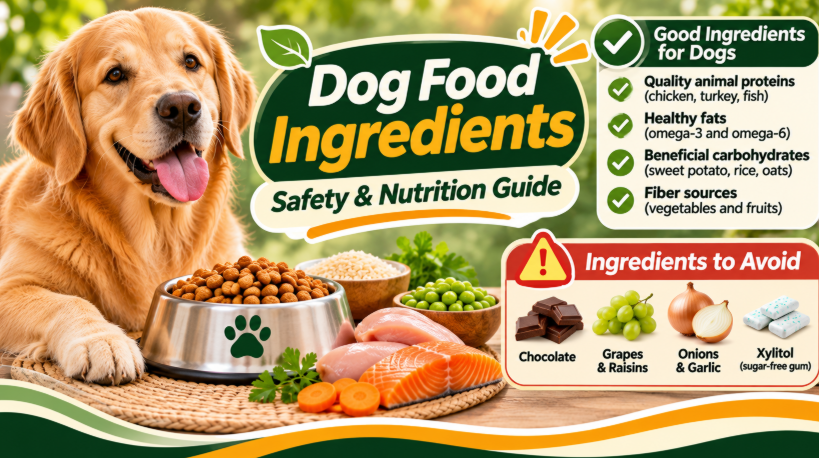
Choosing the right food for your dog involves more than finding a flavor it enjoys. Understanding what goes into its meals is equally important, especially when certain ingredients and everyday human foods can pose health risks.
Some substances are genuinely toxic to dogs, while others may cause digestive discomfort or simply provide little nutritional value. Knowing the difference can help you make more informed decisions when shopping for dog food or offering occasional treats.
In this guide, we will explore ingredients and foods dogs should avoid, explain what to look for on product labels, and share practical tips for choosing safer nutritional options.
1. Human Foods That Can Be Dangerous for Dogs
Several foods commonly found in kitchens can be harmful to dogs. Even though they are perfectly normal parts of human diets, they should not be treated as safe dog treats.
Here are some important examples:
Chocolate
Chocolate contains theobromine and caffeine, substances that dogs cannot process as efficiently as humans.
Dark chocolate and baking chocolate generally contain higher concentrations of these compounds than milk chocolate.
Chocolate should never be intentionally offered to dogs.
Grapes and Raisins
Grapes and raisins can cause serious kidney problems in dogs. The toxic response is unpredictable, and even relatively small exposures deserve veterinary attention.
Avoid giving your dog grapes, raisins, or foods containing them.
Onions and Garlic
Onions, garlic, chives, and related ingredients contain compounds that can damage red blood cells.
These ingredients may be harmful whether they are raw, cooked, or included in powdered seasonings.
Xylitol
Xylitol is a sweetener found in some sugar-free gums, candies, baked goods, and other products.
It can cause a dangerous drop in blood sugar and potentially serious liver injury in dogs.
Always check ingredient labels on human products before keeping them where pets can reach them.
The ASPCA guide to foods to avoid feeding pets provides additional information about these hazards.
2. Ingredients That Require Attention in Dog Food
Not every unfamiliar ingredient is harmful. Some ingredients that sound complicated actually serve important nutritional or technical purposes.
However, understanding their function can help you evaluate commercial dog food more carefully.
Consider these examples:
Artificial colors: These may be used to change the appearance of food, although they are not necessary to provide essential nutrition.
Added flavorings: Manufacturers may include flavoring ingredients to improve palatability.
Preservatives: These help maintain freshness and prevent spoilage. Their safety depends on the specific substance and its permitted use.
Excessive salt: Dogs need sodium, but excessive amounts can create health problems.
Unnecessary added sugars: Sugar is not required as an ingredient to provide a complete and balanced canine diet.
Importantly, the presence of an additive does not automatically mean a food is unsafe. Approved ingredients and additives have specific permitted uses and safety requirements.
The FDA's explanation of pet food regulation explains how ingredients and food additives are evaluated for their intended uses.
3. Why Ingredient Quality Matters
When choosing commercial dog food, look at the complete nutritional formulation rather than judging a product by one ingredient.
A good formula should provide the nutrients your dog needs in appropriate amounts.
Pay attention to:
- Protein sources and amino acid contribution.
- Appropriate fats and essential fatty acids.
- Digestible carbohydrate sources.
- Vitamins and minerals.
- Nutritional adequacy for your dog's life stage.
Ingredients such as chicken, fish, rice, oats, and vegetables can all have useful roles in appropriately formulated dog food.
For additional information, read our guide to the best protein sources for dogs.
4. How to Recognize Potentially Unsafe Ingredients
One of the simplest habits you can develop is reading product labels before purchasing food or treats.
Start by checking the ingredient statement and nutritional adequacy information.
Look for:
Clear ingredient information: Understand what the main ingredients contribute to the formula.
Appropriate nutritional claims: Check whether the food is complete and balanced for your dog's life stage.
Manufacturer information: Choose companies that provide clear information about quality control and nutritional formulation.
Ingredient safety: Be cautious with products containing ingredients known to be toxic to dogs.
The AAFCO guide to understanding pet food ingredient lists explains how ingredients are listed by weight and why minor ingredients also appear on packaging.
You can also read our article about how to read dog food labels for a more detailed explanation.
5. Are Artificial Preservatives Always Bad for Dogs?
Not necessarily.
Preservatives help prevent spoilage, maintain product quality, and extend shelf life.
Some commercial dog foods use approved preservatives for their intended purposes. Others use naturally derived alternatives.
Rather than assuming that every artificial preservative is dangerous, evaluate the specific ingredient, its intended function, and the manufacturer's quality standards.
The important distinction is between an ingredient with an established permitted use and a substance that is toxic or improperly used.
6. Common Mistakes When Choosing Dog Food
Even experienced owners can misunderstand ingredient labels.
Here are some mistakes worth avoiding:
- Assuming every chemical-sounding ingredient is dangerous.
- Believing natural automatically means healthier.
- Ignoring the nutritional adequacy statement.
- Choosing food based only on its first ingredient.
- Assuming grain-free food is always better.
- Sharing human snacks without checking their ingredients.
- Ignoring warnings about toxic substances.
A balanced nutritional formula is more important than following marketing trends.
7. What Should You Do If Your Dog Eats Something Toxic?
If you suspect your dog has eaten chocolate, grapes, xylitol, onions, or another potentially dangerous substance, contact a veterinarian immediately.
Do not wait for symptoms to appear. Also, do not attempt home treatments or induce vomiting unless a veterinary professional specifically instructs you to do so.
If possible, keep the product packaging available so the veterinarian can identify its ingredients.
Quick professional advice is important because some toxic exposures can cause serious problems even before obvious symptoms develop.
Frequently Asked Questions About Dog Food Ingredients
What ingredients should dogs never eat?
Important examples include chocolate, xylitol, grapes, raisins, onions, garlic, and products containing alcohol or caffeine.
Are artificial preservatives harmful to dogs?
Not automatically. Some preservatives are approved for specific uses in pet food. Their safety depends on the particular substance and how it is used.
Can dogs eat food containing salt?
Dogs need some sodium, but excessive salt intake can be dangerous. Avoid regularly sharing highly salted human snacks.
Are natural ingredients always safer?
No. Natural substances can also be toxic. Grapes, raisins, and certain plant-derived ingredients are examples of natural foods that dogs should avoid.
Should I avoid all dog foods containing additives?
No. Some additives provide important functions, including preserving freshness and supplying nutrients. Evaluate the complete formulation rather than rejecting every additive.
Conclusion
Understanding dog food ingredients is an important part of responsible pet nutrition. While some substances are genuinely toxic, others simply require attention to their purpose, quantity, and nutritional contribution.
Learn to recognize dangerous human foods, read product labels carefully, and choose complete and balanced formulas from reputable manufacturers.
Most importantly, remember that a safe diet is not about avoiding every unfamiliar ingredient. It is about understanding what your dog consumes and making informed nutritional decisions that support its long-term health.
Deja un comentario