
French Bulldog: Personality, Health, Care, and Breed Characteristics
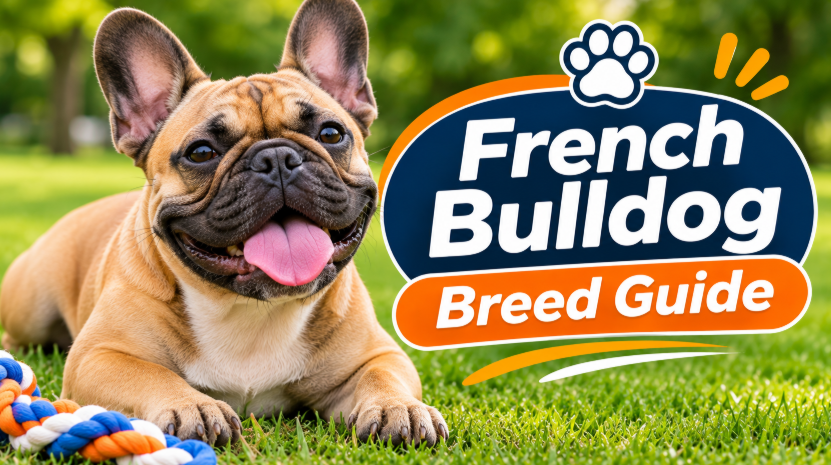
The French Bulldog is a small companion dog known for its distinctive bat-shaped ears, compact body, expressive face, and affectionate personality. Often called a Frenchie, this breed has become a popular choice among people looking for a friendly dog that enjoys spending time with its family.
Despite its small size, the French Bulldog has a big personality. These dogs are generally playful, curious, and people-oriented. However, their unique physical characteristics also create specific care requirements, particularly when it comes to breathing, exercise, and temperature management.
In this guide, you will discover the French Bulldog's history, appearance, temperament, grooming needs, nutrition, and important health considerations before deciding whether this breed is right for your household.
1. History and Origin of the French Bulldog
Despite its name, the French Bulldog has historical connections to England.
During the nineteenth century, smaller bulldogs became popular among lace workers in Nottingham, England. When some workers moved to France during the Industrial Revolution, they brought their dogs with them.
These small bulldogs became popular in France, where they were further developed into the companion breed recognized today.
The French Bulldog gradually became associated with city life and companionship rather than traditional working activities.
The French Bull Dog Club of America provides additional information about the breed's history, characteristics, and development.
2. Physical Characteristics and Appearance
French Bulldogs are small, muscular dogs with compact bodies and distinctive facial features.
Their most recognizable characteristic is their large, upright bat-shaped ears. They also have a short muzzle, broad head, expressive eyes, and a naturally short tail.
Common coat colors include:
-
Fawn.
-
Brindle.
-
Cream.
-
White.
-
Combinations of white and brindle.
Their coat is short, smooth, and relatively easy to maintain compared with longer-haired breeds.
Adult French Bulldogs generally weigh up to 28 pounds under the American Kennel Club breed standard. Their compact structure makes them relatively easy to accommodate in many living environments.
However, their short facial structure requires special attention because it can affect normal breathing and temperature regulation.
3. French Bulldog Temperament and Personality
One of the main reasons people love French Bulldogs is their affectionate and entertaining personality.
They generally enjoy human companionship and often prefer staying close to their owners rather than spending long periods alone.
Common personality traits include:
-
Affectionate: They often enjoy attention and spending time with family members.
-
Playful: Many Frenchies enjoy interactive games and short play sessions.
-
Adaptable: They can adjust to different living environments when their needs are met.
-
Curious: They often show interest in new people, objects, and surroundings.
-
Sociable: Many enjoy appropriate interactions with people and other dogs.
Although French Bulldogs are generally friendly, individual personalities vary. Early socialization and positive training help develop good everyday behavior.
They can also be somewhat independent, so patience and consistency are important when teaching new commands.
4. Exercise and Daily Activity Requirements
French Bulldogs need regular physical activity, but their exercise routines must account for their short muzzle and potential breathing difficulties.
Unlike some larger working breeds, Frenchies are not suited to prolonged strenuous exercise.
Suitable activities include:
-
Short, comfortable walks.
-
Supervised indoor play.
-
Gentle interactive games.
-
Food puzzles and enrichment toys.
-
Short reward-based training sessions.
Avoid exercising a French Bulldog during hot or humid weather. These dogs can have difficulty cooling themselves efficiently, increasing their risk of overheating.
The University of California, Davis, School of Veterinary Medicine explains why short-nosed dogs require additional care during exercise and warm conditions.
Pay attention to unusual breathing sounds, excessive panting, or difficulty recovering after activity. These signs deserve veterinary assessment rather than being dismissed as normal breed characteristics.
5. Grooming and Everyday Care
French Bulldogs have short coats that are relatively easy to groom. However, their facial wrinkles and skin folds require regular attention.
A practical grooming routine includes:
-
Brushing: Brush weekly to remove loose hair and maintain coat condition.
-
Facial folds: Gently clean skin folds as recommended by your veterinarian and keep them dry.
-
Bathing: Bathe when necessary using a dog-appropriate shampoo.
-
Ear care: Check the ears regularly for unusual odor or discharge.
-
Nail trimming: Keep nails at an appropriate length.
-
Dental hygiene: Brush regularly using dog-safe toothpaste.
Skin folds deserve particular attention because trapped moisture and debris can contribute to irritation.
Avoid using harsh cleaning products or applying human skincare products without veterinary guidance.
6. Nutrition and Feeding Requirements
A balanced diet is important for maintaining a French Bulldog's energy, muscle condition, and general health.
Choose a complete and balanced food appropriate for the dog's age, activity level, and individual nutritional requirements.
Important feeding considerations include:
-
Measure food portions carefully.
-
Avoid excessive treats and table scraps.
-
Provide fresh drinking water.
-
Monitor body condition regularly.
-
Introduce dietary changes gradually.
French Bulldogs can be prone to excess weight, and maintaining a healthy body condition is particularly important because additional weight can make breathing and movement more difficult.
For reliable nutritional guidance, the WSAVA Global Nutrition Guidelines explain how owners can assess their pets' nutritional needs and choose appropriate diets.
7. Common French Bulldog Health Problems
This is one of the most important considerations when researching the breed.
French Bulldogs have a brachycephalic, or short-faced, structure. Although this appearance is distinctive, it can contribute to medical problems that owners should understand before adopting or purchasing one.
Brachycephalic Obstructive Airway Syndrome (BOAS)
BOAS is a respiratory condition associated with anatomical abnormalities in short-faced dogs.
Affected French Bulldogs may experience noisy breathing, reduced exercise tolerance, and difficulty breathing comfortably.
The Cornell University College of Veterinary Medicine's BOAS guide explains the condition, common signs, diagnosis, and treatment options.
Persistent noisy breathing should not automatically be considered normal for the breed.
Other Health Concerns
French Bulldogs may also experience:
-
Skin fold dermatitis: Irritation or inflammation in facial and body folds.
-
Spinal conditions: Certain dogs may develop vertebral abnormalities or disc problems.
-
Eye problems: Their prominent eyes can be more vulnerable to injuries.
-
Joint conditions: Some individuals may experience orthopedic problems.
-
Allergies: Skin and food sensitivities can require veterinary evaluation.
Research published through the Royal Veterinary College's VetCompass program identified important differences in the frequency of several health disorders among French Bulldogs compared with other dogs.
Regular veterinary examinations and responsible breeding practices are essential for supporting this breed's welfare.
8. Is a French Bulldog Right for Your Lifestyle?
French Bulldogs can be suitable companions for people who want an affectionate dog and can provide consistent daily attention.
They may be a good match for households that:
-
Prefer a smaller companion dog.
-
Have time for daily interaction.
-
Can provide moderate, appropriate exercise.
-
Are prepared to manage regular grooming.
-
Can afford specialized veterinary care if needed.
However, they are not completely low-maintenance dogs. Their respiratory structure can require additional veterinary attention, and warm weather needs careful management.
Before choosing a French Bulldog, consider adoption through a reputable rescue organization or consult a responsible breeder who prioritizes health, breathing ability, and physical function over exaggerated appearance.
9. Frequently Asked Questions About French Bulldogs
Are French Bulldogs good family pets?
They can make affectionate family companions. As with all dogs, interactions with young children should be supervised.
Do French Bulldogs bark a lot?
They are not generally considered excessive barkers, although individual behavior depends on personality, training, and environment.
Can French Bulldogs live in apartments?
Yes. Their small size can make apartment living practical, provided they receive appropriate activity, enrichment, and companionship.
Do French Bulldogs tolerate hot weather?
They are particularly sensitive to heat because their short facial structure can interfere with efficient breathing and cooling. Warm conditions require extra precautions.
How long do French Bulldogs live?
Their lifespan varies between individuals. Health, genetics, and access to veterinary care all influence longevity.
Conclusion
The French Bulldog is an affectionate, playful, and distinctive companion that can bring plenty of personality into a household.
Its compact size and people-oriented nature make it appealing to many dog lovers. However, prospective owners should understand that this breed has specific health and environmental requirements.
Responsible ownership means prioritizing comfortable breathing, appropriate exercise, balanced nutrition, regular grooming, and preventive veterinary care.
By understanding both the positive characteristics and the potential challenges of the breed, you can make a more informed decision about whether a French Bulldog is the right companion for your lifestyle.
Deja un comentario