
Siberian Husky: Complete Guide to This Energetic and Independent Breed
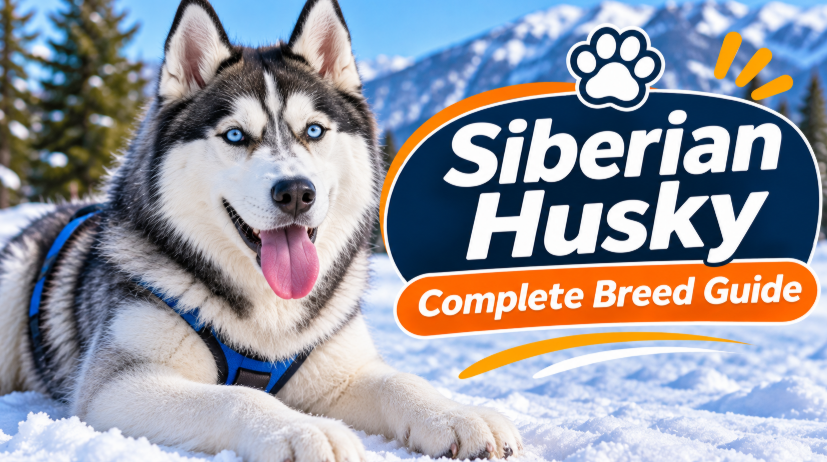
The Siberian Husky is a beautiful and energetic dog breed known for its striking appearance, thick double coat, blue or multicolored eyes, and remarkable endurance. Originally developed as a sled dog in northeastern Asia, this breed is recognized for its ability to travel long distances in cold environments.
Beyond its attractive appearance, the Siberian Husky has a distinctive personality. These dogs are intelligent, independent, sociable, and naturally active. However, their energy levels and strong instincts mean they require consistent training, regular exercise, and responsible ownership.
In this guide, you will discover the Siberian Husky's history, physical characteristics, temperament, grooming requirements, nutrition, and common health concerns.
1. History and Origin of the Siberian Husky
The Siberian Husky originated in northeastern Asia, where the Chukchi people developed dogs capable of pulling sleds across long distances in challenging conditions.
These dogs were valued for their endurance, efficiency, and ability to work as part of a team. Their thick coats and athletic bodies helped them perform in extremely cold environments.
During the early twentieth century, Siberian Huskies became known in Alaska through sled-dog racing and transportation.
Today, they are popular companion animals and remain closely associated with sled-dog activities.
The American Kennel Club's Siberian Husky breed profile provides additional information about their history, appearance, and breed characteristics.
2. Physical Characteristics and Size
Siberian Huskies are medium-sized working dogs with athletic bodies designed for endurance rather than excessive bulk.
Typical adult measurements include:
-
Male height: 21–23.5 inches.
-
Female height: 20–22 inches.
-
Male weight: 45–60 pounds.
-
Female weight: 35–50 pounds.
Their most recognizable physical feature is their thick double coat, which provides insulation in cold weather.
Common coat colors include black, gray, red, sable, and agouti, often combined with white markings.
Their eyes can be blue, brown, or a combination of both. Some Huskies have one blue eye and one brown eye, a characteristic known as heterochromia.
They also have erect triangular ears, a bushy tail, and a distinctive facial expression.
3. Siberian Husky Temperament and Personality
Siberian Huskies are known for their energetic, outgoing, and independent personalities.
They generally enjoy social interaction and can develop strong relationships with their families. However, their independent nature sometimes makes training more challenging than with highly people-focused breeds.
Common personality characteristics include:
-
Friendly: Many Huskies enjoy interacting with people.
-
Energetic: They have considerable stamina and enjoy physical activities.
-
Intelligent: They can learn commands and routines.
-
Independent: They may sometimes make their own decisions rather than immediately following instructions.
-
Playful: They often enjoy games and social activities.
-
Vocal: Some communicate through howling, whining, and other distinctive sounds.
Huskies also have a strong prey drive, so introductions to smaller household animals should be managed carefully.
Their friendly nature means they are not necessarily reliable guard dogs. Individual temperament varies, and early socialization remains important.
4. Exercise and Daily Activity Requirements
Exercise is one of the most important aspects of Siberian Husky ownership.
These dogs were developed to travel long distances, so they generally need more physical activity than many companion breeds.
Suitable activities include:
-
Daily walks adapted to fitness and weather.
-
Supervised play in secure areas.
-
Scent games and interactive activities.
-
Age-appropriate hiking.
-
Obedience and enrichment sessions.
-
Organized canine sports.
Puppies need controlled activity because their joints and bones are still developing.
Huskies should always be supervised outdoors and kept in secure areas because their curiosity and tendency to roam can make unsupervised access dangerous.
Warm weather also requires special attention. Avoid strenuous exercise during hot conditions and provide access to shade and fresh water.
Our upcoming guide to how much exercise dogs need every day will explain how to adapt activity routines to different breeds and life stages.
5. Grooming and Coat Maintenance
The Siberian Husky's double coat is designed to provide insulation and protection.
Although the coat is relatively low-maintenance between shedding seasons, these dogs can shed heavily when changing their undercoat.
A practical grooming routine includes:
-
Brushing: Brush regularly to remove loose hair and prevent tangles.
-
Seasonal shedding: Increase brushing frequency during heavier shedding periods.
-
Bathing: Bathe when necessary using a dog-appropriate shampoo.
-
Nail care: Trim nails regularly.
-
Dental hygiene: Brush with dog-safe toothpaste.
-
Ear checks: Inspect the ears for unusual odor or irritation.
Avoid shaving a Siberian Husky's double coat without veterinary guidance. Its coat helps regulate insulation and provides protection from environmental conditions.
6. Nutrition and Feeding Requirements
A balanced diet is essential for supporting a Siberian Husky's energy levels, muscle condition, and overall health.
Choose a complete and balanced dog food appropriate for the dog's age, activity level, and individual nutritional requirements.
Important feeding considerations include:
-
Measure portions according to the dog's needs.
-
Adjust food intake when activity levels change.
-
Provide fresh drinking water.
-
Avoid excessive treats.
-
Monitor body condition regularly.
Huskies can have different energy requirements depending on their activity levels. Working dogs may need different nutritional support from companion dogs with more moderate routines.
The WSAVA Global Nutrition Guidelines provide useful information about assessing nutritional needs and choosing appropriate diets.
7. Common Siberian Husky Health Concerns
Siberian Huskies are generally active dogs, but they can be predisposed to certain health conditions.
Some important concerns include:
-
Hip dysplasia: A developmental condition affecting the hip joints.
-
Juvenile cataracts: Eye abnormalities that can affect younger dogs.
-
Progressive retinal atrophy: An inherited condition that can gradually affect vision.
-
Corneal dystrophy: A condition involving changes in the cornea.
-
Hypothyroidism: A disorder affecting thyroid hormone production.
Responsible breeders should prioritize appropriate health screening and provide documentation about their breeding dogs.
The Siberian Husky Club of America provides breed-specific information about health, responsible breeding, and ownership.
Regular veterinary examinations, appropriate nutrition, exercise, and preventive care are essential throughout a Husky's life.
8. Is a Siberian Husky the Right Dog for Your Lifestyle?
Siberian Huskies can make wonderful companions for people who understand their energy levels and independent personalities.
They may be suitable for households that:
-
Enjoy outdoor activities.
-
Have time for regular exercise.
-
Can provide consistent training.
-
Have secure outdoor spaces.
-
Can manage regular shedding.
-
Understand the breed's tendency to vocalize and roam.
However, they may not be ideal for people who want a quiet, low-energy dog or cannot dedicate time to exercise and enrichment.
Before choosing a puppy, consider adoption through a reputable rescue organization or finding a responsible breeder who prioritizes health and temperament.
9. Frequently Asked Questions About Siberian Huskies
Are Siberian Huskies good family dogs?
They can be affectionate and sociable family companions when properly trained and supervised around children.
Do Siberian Huskies shed a lot?
Yes. Their thick double coat sheds throughout the year, with particularly heavy shedding during seasonal coat changes.
Are Siberian Huskies easy to train?
They are intelligent but independent. Consistent reward-based training and patience are important.
Can Siberian Huskies live in warm climates?
They can live in warmer environments with appropriate precautions, including shade, fresh water, climate-controlled indoor spaces, and avoiding strenuous activity during hot weather.
Do Siberian Huskies howl?
Many Huskies are vocal and may howl, whine, or make other distinctive sounds as part of their communication.
Conclusion
The Siberian Husky is an intelligent, energetic, and distinctive breed that can become a wonderful companion for active households.
Its history as a working sled dog explains many of its characteristics, including endurance, independence, and the need for regular physical activity.
However, responsible ownership requires consistent training, appropriate exercise, grooming, balanced nutrition, and preventive veterinary care.
Understanding these requirements before bringing a Siberian Husky home will help you determine whether this remarkable breed fits your lifestyle.
Deja un comentario