
Poodle: Sizes, Temperament, Grooming, and Care Requirements
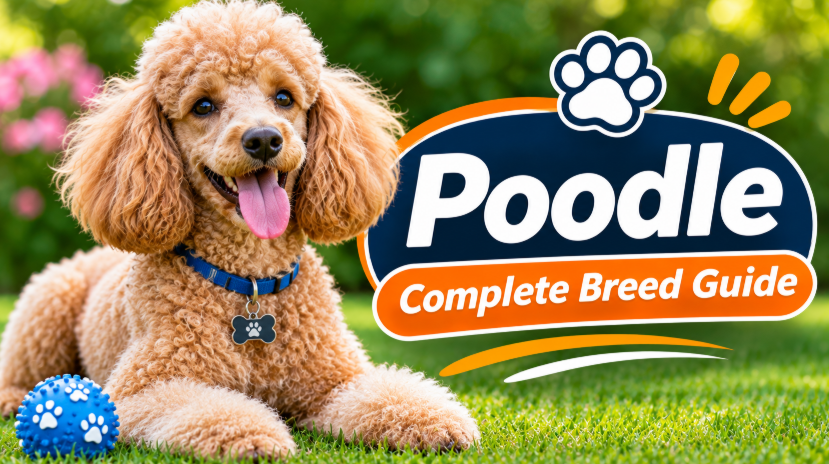
The Poodle is an intelligent, elegant, and highly adaptable dog breed known for its distinctive curly coat and friendly personality. Although many people associate Poodles with their stylish appearance, they are also athletic dogs with a history of retrieving work.
One of the most interesting characteristics of this breed is that it comes in three recognized sizes: Standard, Miniature, and Toy. Each offers different physical characteristics, but all share many of the same qualities, including intelligence, trainability, and a strong connection with their families.
However, owning a Poodle requires regular grooming, exercise, mental stimulation, and appropriate nutrition. This guide explains everything you should know before welcoming one into your home.
1. History and Origin of the Poodle
The Poodle has a long history in Europe and is particularly associated with Germany and France. Although commonly considered a French breed, its ancestors were developed as water-retrieving dogs.
The breed's original purpose involved retrieving waterfowl for hunters. Its athletic ability, intelligence, and distinctive curly coat helped it perform these activities.
Over time, Poodles became popular companion dogs, especially among European families.
Today, they are recognized for their versatility and ability to participate in obedience, agility, and other canine activities.
The American Kennel Club's Poodle breed profile provides additional information about the breed's history and characteristics.
2. The Three Poodle Sizes
One of the most distinctive characteristics of the Poodle is its three recognized size varieties.
Standard Poodle
The Standard Poodle is the largest variety. It is athletic, energetic, and generally enjoys outdoor activities. It can be an excellent companion for active households.
Miniature Poodle
The Miniature Poodle is smaller but retains many of the intelligence and athletic characteristics of the Standard variety. It can adapt to different living environments when properly exercised.
Toy Poodle
The Toy Poodle is the smallest variety. Its compact size makes it suitable for many homes, but it still needs daily activity, training, and companionship.
Although their sizes differ, all three varieties have similar coat characteristics and benefit from consistent grooming and positive training.
3. Poodle Temperament and Personality
Poodles are widely recognized for their intelligence and ability to learn new commands.
They generally enjoy spending time with their families and participating in activities that challenge their minds.
Common personality characteristics include:
-
Intelligent: They often learn commands and routines quickly.
-
Affectionate: Many enjoy close relationships with their owners.
-
Active: They benefit from regular exercise and play.
-
Alert: They often notice changes in their surroundings.
-
Adaptable: Different sizes can suit different household environments.
-
Trainable: They generally respond well to reward-based training.
Early socialization is important for helping Poodles become comfortable around different people, animals, and environments.
Their intelligence also means they benefit from mental enrichment rather than relying exclusively on physical exercise.
4. Exercise and Mental Stimulation
Poodles are active dogs that need regular physical activity and opportunities to use their intelligence.
Their exercise requirements vary depending on size, age, and individual health.
Suitable activities include:
-
Daily walks appropriate for the dog's fitness.
-
Playing fetch in secure areas.
-
Interactive toys and food puzzles.
-
Basic obedience training.
-
Supervised swimming.
-
Scent games and enrichment activities.
Standard Poodles generally need more physical activity than Toy Poodles, although all varieties benefit from regular movement.
Puppies should receive age-appropriate exercise without excessive forced activity.
Our upcoming guide to mental stimulation activities for dogs will explore practical ways to keep dogs mentally engaged.
5. Grooming and Coat Maintenance
The Poodle's curly coat is one of its most recognizable features. Unlike many other breeds, Poodles generally shed relatively little visible hair, but their coats require considerable maintenance.
Loose hair can become trapped within the curls, creating tangles and mats if brushing is neglected.
An appropriate grooming routine includes:
-
Brushing: Brush regularly, ideally several times a week, to prevent matting.
-
Professional grooming: Schedule regular appointments to maintain coat length and condition.
-
Bathing: Use a suitable dog shampoo when necessary.
-
Ear care: Check the ears for unusual odor, redness, or discharge.
-
Nail trimming: Maintain comfortable nail length.
-
Dental hygiene: Brush regularly with dog-safe toothpaste.
Many owners choose professional grooming every four to eight weeks, depending on coat length and maintenance needs.
Regular grooming is particularly important because neglected mats can become uncomfortable and may irritate the skin.
6. Nutrition and Feeding Requirements
Proper nutrition supports a Poodle's development, energy levels, muscle condition, and overall well-being.
Choose a complete and balanced diet appropriate for the dog's age, size, activity level, and individual nutritional needs.
Important feeding considerations include:
-
Measure food portions carefully.
-
Adjust nutrition according to life stage.
-
Avoid excessive treats.
-
Provide fresh drinking water.
-
Monitor body condition regularly.
Toy Poodles may require smaller food portions than Standard Poodles, but feeding decisions should always account for individual needs rather than size alone.
The WSAVA Global Nutrition Guidelines offer useful information about nutritional assessment and choosing appropriate diets for dogs.
7. Common Poodle Health Concerns
Poodles can enjoy active lives, but certain health conditions may occur more frequently in particular varieties.
Some important health concerns include:
-
Hip dysplasia: A developmental condition affecting the hip joints, particularly relevant to Standard Poodles.
-
Progressive retinal atrophy: An inherited eye condition that can gradually affect vision.
-
Patellar luxation: A condition in which the kneecap moves out of its normal position, particularly relevant to smaller dogs.
-
Addison's disease: A hormonal disorder affecting the adrenal glands.
-
Dental problems: Smaller varieties may be more susceptible to dental crowding and related issues.
The Poodle Club of America provides breed-specific information about health, responsible breeding, and recommended health testing.
Regular veterinary examinations and appropriate preventive care are important throughout a Poodle's life.
If you notice changes in movement, appetite, vision, or behavior, consult a veterinarian.
8. Is a Poodle the Right Dog for Your Lifestyle?
Poodles can make wonderful companions for many different households, provided their grooming, exercise, and social needs are met.
They may be suitable for people who:
-
Want an intelligent and trainable companion.
-
Can maintain a regular grooming routine.
-
Have time for daily interaction.
-
Enjoy teaching commands and playing games.
-
Can provide appropriate physical activity.
Standard Poodles may suit more active households, while Miniature and Toy Poodles can adapt to smaller living environments.
However, no Poodle variety should be considered completely maintenance-free. All need attention, enrichment, training, and veterinary care.
9. Frequently Asked Questions About Poodles
Are Poodles good family dogs?
Yes. Many Poodles are affectionate and sociable companions when properly trained and socialized.
Do Poodles shed?
They generally shed less visibly than many other breeds, but their curly coats require frequent brushing and professional maintenance.
Are Poodles hypoallergenic?
No dog is completely hypoallergenic. Although Poodles may produce fewer loose hairs around the home, people with allergies can still react to their dander and saliva.
Which Poodle size is best?
The best size depends on your living environment, activity level, and ability to meet the dog's needs. Standard, Miniature, and Toy Poodles can all make excellent companions.
How long do Poodles live?
Lifespan varies by size and individual health. Smaller varieties often live longer than larger dogs, but genetics and preventive healthcare also matter.
Conclusion
Poodles are intelligent, affectionate, and versatile dogs that can adapt to many different households. Their three recognized sizes offer different options for prospective owners while sharing many of the same desirable characteristics.
However, their beautiful curly coats require consistent grooming, and their intelligence makes regular training and mental stimulation important.
By understanding their grooming requirements, exercise needs, nutrition, and potential health concerns, you can make an informed decision about whether a Poodle is the right companion for your lifestyle.
Deja un comentario