
Rottweiler: Temperament, Training, Health, and Essential Care
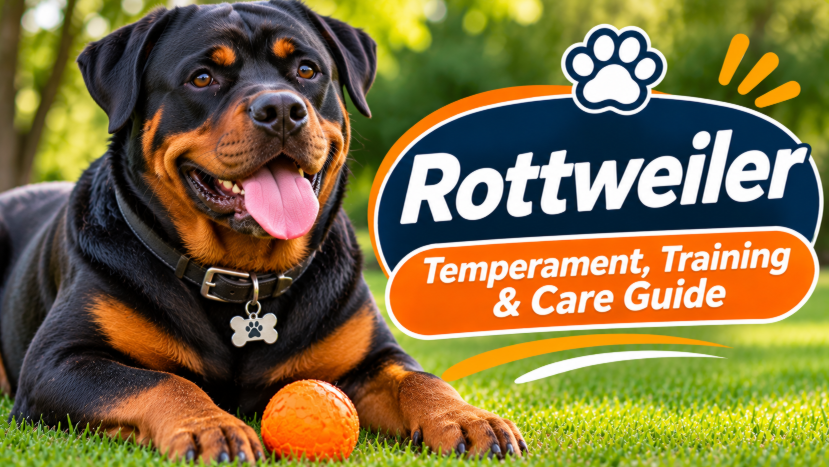
At first glance, a Rottweiler can look intimidating because of its muscular build and confident appearance. Spend a little time getting to know the breed, however, and you may discover a very different side: an intelligent, affectionate dog that enjoys companionship and can develop a strong bond with its family.
Originally bred as a working dog in Germany, the Rottweiler is known for its strength, confidence, and willingness to learn. These qualities make it an impressive breed, but they also mean that responsible ownership, early socialization, and consistent training are particularly important.
If you are considering welcoming a Rottweiler into your home, this guide will help you understand its personality, everyday needs, and potential health concerns.
1. History and Origin of the Rottweiler
The Rottweiler has historical connections to the Roman Empire, where ancestors of the breed accompanied people and livestock during journeys across Europe.
Later, in the German town of Rottweil, these dogs became useful working companions for cattle handlers and local tradespeople.
Their strength, endurance, and intelligence made them valuable for herding and pulling carts.
As transportation methods changed, the breed gradually developed new working roles and eventually became popular as a companion dog.
Today, Rottweilers are recognized for their versatility, intelligence, and loyalty.
The American Kennel Club's Rottweiler breed profile provides additional information about their history and characteristics.
2. Physical Characteristics and Appearance
Rottweilers are large, muscular dogs with broad heads, strong bodies, and distinctive black coats with clearly defined tan or mahogany markings.
Typical adult measurements include:
-
Male height: 24–27 inches.
-
Female height: 22–25 inches.
-
Male weight: Approximately 95–135 pounds.
-
Female weight: Approximately 80–100 pounds.
Their short double coat is relatively easy to maintain, although they shed throughout the year.
Their dark eyes, broad muzzle, and confident posture give them a recognizable appearance.
Because of their size and strength, Rottweilers need appropriate handling, training, and regular opportunities for controlled physical activity.
3. Rottweiler Temperament and Personality
A well-socialized Rottweiler can be a calm, affectionate, and dependable family companion.
These dogs often enjoy spending time with familiar people and participating in everyday activities.
Some common personality characteristics include:
-
Loyal: They often form strong relationships with their families.
-
Intelligent: They can learn commands and routines effectively.
-
Confident: They generally approach familiar situations with assurance.
-
Affectionate: Many enjoy attention and companionship.
-
Observant: They tend to pay attention to their surroundings.
-
Playful: They can enjoy games and interactive activities throughout adulthood.
Individual personalities vary, and early socialization plays an important role in helping Rottweilers become comfortable around different people, animals, and environments.
It is important not to assume that every Rottweiler will behave in exactly the same way simply because of its breed.
4. Exercise and Daily Activity Requirements
Rottweilers are active working dogs that benefit from regular physical activity.
A balanced routine helps maintain their fitness while providing opportunities to explore and interact with their environment.
Suitable activities include:
-
Daily walks at a comfortable pace.
-
Supervised play in secure outdoor areas.
-
Obedience exercises.
-
Interactive toys and food puzzles.
-
Scent games.
-
Age-appropriate canine activities.
Puppies need controlled exercise because their bones and joints are still developing. Avoid excessive jumping or repetitive high-impact activities.
Adult Rottweilers generally benefit from a combination of physical exercise and mental stimulation.
Providing different activities throughout the week can help prevent boredom and encourage positive everyday behavior.
5. Training and Socialization
Training should be an important part of life with a Rottweiler from an early age.
Their intelligence and willingness to learn can make training rewarding, particularly when owners use clear communication and consistent expectations.
Important training priorities include:
-
Basic commands: Teach sit, stay, come, and leave it.
-
Leash manners: Encourage relaxed walking without pulling.
-
Socialization: Introduce positive experiences with people, animals, and different environments.
-
Impulse control: Reward calm behavior around distractions.
-
Handling: Help the dog become comfortable with grooming and veterinary examinations.
Reward-based training using praise, toys, and appropriate treats encourages cooperation and helps build trust.
For a large, powerful breed, professional guidance from a qualified, reward-based dog trainer can also be valuable.
Our upcoming guide to positive reinforcement dog training will cover practical techniques for developing good everyday behavior.
6. Grooming and Coat Maintenance
Fortunately, Rottweilers do not require complicated grooming routines.
Their short double coat is relatively easy to maintain, although regular brushing helps manage loose hair.
A practical grooming routine includes:
-
Brushing: Once or twice weekly, increasing frequency during heavier shedding.
-
Bathing: When necessary with dog-appropriate shampoo.
-
Ear care: Check regularly for unusual odor or irritation.
-
Nail trimming: Maintain comfortable nail length.
-
Dental hygiene: Brush regularly using dog-safe toothpaste.
Regular grooming also gives owners an opportunity to notice skin changes, unusual lumps, or other issues that may require veterinary attention.
7. Nutrition and Feeding Requirements
Good nutrition is particularly important for large breeds such as the Rottweiler.
A complete and balanced diet should support healthy development, muscle condition, and an appropriate body weight.
When choosing food, consider:
-
The dog's age and life stage.
-
Its daily activity level.
-
Individual nutritional requirements.
-
Appropriate portion sizes.
-
Veterinary recommendations.
Large-breed puppies have particular nutritional requirements because excessive or poorly balanced nutrient intake can affect skeletal development.
Avoid feeding excessive treats or allowing your dog to gain unnecessary weight.
The WSAVA Global Nutrition Guidelines provide helpful information about selecting appropriate diets and evaluating a dog's nutritional condition.
8. Common Rottweiler Health Concerns
Like other large breeds, Rottweilers can be predisposed to certain health conditions.
Some important concerns include:
-
Hip dysplasia: A developmental condition affecting the hip joints.
-
Elbow dysplasia: A condition involving abnormal elbow joint development.
-
Osteosarcoma: A type of bone cancer that occurs more frequently in some large and giant dog breeds.
-
Heart conditions: Certain inherited cardiac disorders can affect the breed.
-
Cruciate ligament injuries: Problems affecting the knee joint can occur in active dogs.
Responsible breeders should prioritize appropriate health evaluations before breeding.
The American Rottweiler Club provides additional breed-specific information about responsible ownership, health, and breeding.
Regular veterinary examinations, balanced nutrition, appropriate exercise, and maintaining a healthy body condition are essential for supporting your dog's well-being.
9. Is a Rottweiler the Right Dog for Your Family?
Rottweilers can become wonderful companions for households that understand their needs and are prepared to provide consistent care.
They may be suitable for people who:
-
Have time for daily exercise and interaction.
-
Can provide consistent, positive training.
-
Understand the responsibilities of owning a large dog.
-
Can arrange early socialization.
-
Have sufficient space for comfortable movement.
-
Can provide regular veterinary care.
They may be less suitable for first-time owners who are not prepared to invest time in training and responsible management.
Before choosing a puppy, consider adoption through a reputable rescue organization or working with a responsible breeder who prioritizes health and temperament.
10. Frequently Asked Questions About Rottweilers
Are Rottweilers good family dogs?
They can be affectionate family companions when properly socialized and trained. Interactions with children should always be supervised.
Are Rottweilers easy to train?
They are intelligent and capable learners. Consistency, patience, and reward-based methods are important.
Do Rottweilers shed?
Yes. Their double coat sheds throughout the year, with heavier shedding during seasonal changes.
How long do Rottweilers live?
Their typical life expectancy is approximately 9–10 years, although individual longevity varies.
Do Rottweilers need a large backyard?
Not necessarily. They can live in different environments if their exercise, enrichment, and space requirements are met.
Conclusion
Rottweilers are intelligent, confident, and affectionate dogs that can become devoted family companions.
Their working background explains their strength, alertness, and need for structured activities. However, their personality is shaped by more than genetics: socialization, training, health, and everyday experiences all matter.
If you are prepared to provide consistent training, balanced nutrition, regular exercise, and responsible veterinary care, a Rottweiler may be a wonderful addition to your household.
Deja un comentario