
Shih Tzu: Personality, Grooming, Training, and Essential Care Guide
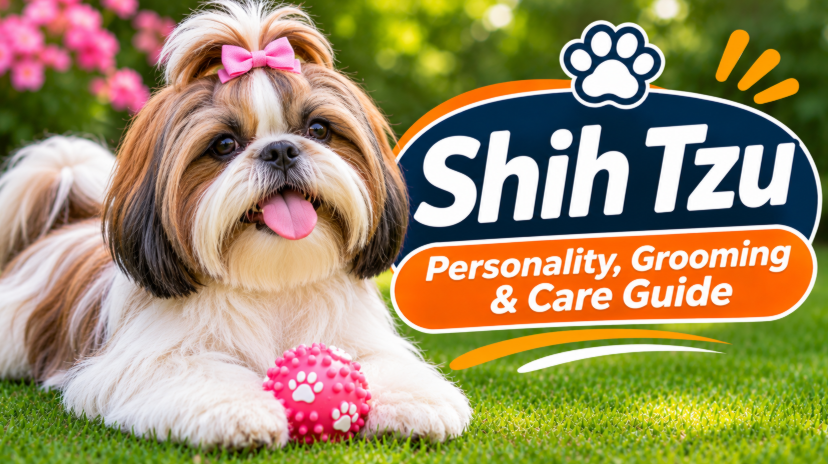
With their beautiful flowing coats, round eyes, and cheerful expressions, Shih Tzus have a way of capturing people's attention. But their appeal goes far beyond their appearance. These little dogs are affectionate companions that enjoy being close to their families and participating in everyday activities.
Originally developed as companion dogs, Shih Tzus were bred to share their lives with people rather than perform demanding working tasks. This history helps explain why they often enjoy relaxing at home just as much as going for a short walk.
However, their luxurious coats, facial structure, and individual health needs require thoughtful care. If you are considering welcoming a Shih Tzu into your home, here's what you should know.
1. History and Origin of the Shih Tzu
The Shih Tzu has historical roots in Tibet and China, where small companion dogs were valued by royal households and families.
The breed became particularly associated with Chinese imperial courts, where these dogs were appreciated for their appearance and affectionate nature.
Unlike many breeds developed primarily for hunting or herding, the Shih Tzu was bred mainly for companionship.
Its name is commonly translated as "lion dog," reflecting its traditional association with lion-like appearance in Chinese culture.
Today, the Shih Tzu remains a popular companion breed, especially among people looking for an affectionate dog that enjoys spending time indoors.
You can learn more about its history through the American Kennel Club's Shih Tzu breed profile.
2. Physical Characteristics and Appearance
Shih Tzus are small dogs with compact bodies, short muzzles, rounded heads, and large expressive eyes.
Typical adult characteristics include:
- Height: Approximately 9–10.5 inches.
- Weight: Approximately 9–16 pounds.
- Coat: Long, dense, and flowing.
- Colors: Gold, white, black, brindle, liver, and various combinations.
One of their most recognizable features is their long facial hair, which is often gathered into a small topknot to keep it away from their eyes.
Their short muzzle gives them their distinctive facial appearance, but it also means owners should pay particular attention to breathing comfort and heat exposure.
3. Shih Tzu Temperament and Personality
Shih Tzus are generally affectionate, friendly, and sociable dogs. Many enjoy following their owners around the home and settling nearby whenever someone sits down.
They are often happiest when they can be part of family life rather than spending long periods alone.
Some common personality characteristics include:
- Affectionate: They often enjoy companionship and attention.
- Friendly: Many are welcoming toward familiar people and visitors.
- Playful: They enjoy toys and short interactive games.
- Adaptable: They can adjust to different home environments.
- Alert: They may bark when they notice unfamiliar sounds.
- Independent: Some can be a little stubborn during training.
Every dog has its own personality, so early socialization and positive experiences remain important.
4. Exercise and Daily Activity Requirements
Shih Tzus do not usually need the same level of exercise as high-energy working breeds, but that does not mean they should spend the entire day resting.
Regular movement helps maintain their fitness, supports healthy body weight, and provides opportunities to explore.
Suitable activities include:
- Short daily walks.
- Supervised play indoors.
- Interactive toys.
- Gentle games in secure outdoor spaces.
- Simple scent activities.
Because Shih Tzus have short muzzles, they can be sensitive to heat and strenuous exercise. Avoid outdoor activity during very hot periods and always provide fresh water and access to a cool environment.
For more information about adapting activity routines to different breeds, explore our guide to daily exercise requirements for dogs.
5. Grooming and Coat Maintenance
Grooming is one of the biggest responsibilities of owning a Shih Tzu.
Their long coat can become tangled and develop mats if it is not maintained regularly. Owners who prefer a shorter hairstyle may choose a practical puppy cut, which can make everyday care easier.
A good grooming routine includes:
- Brushing: Brush frequently, ideally daily when maintaining a long coat.
- Professional grooming: Arrange regular appointments according to coat length and condition.
- Facial care: Keep hair around the eyes clean and properly maintained.
- Bathing: Use a suitable dog shampoo when necessary.
- Ear care: Check regularly for unusual odor or irritation.
- Dental hygiene: Brush regularly with dog-safe toothpaste.
- Nail trimming: Maintain comfortable nail length.
The hair around their eyes deserves special attention because it can collect moisture and debris.
Regular grooming is not simply about appearance. It helps keep the skin comfortable and makes it easier to notice potential problems early.
6. Nutrition and Feeding Requirements
A balanced diet supports a Shih Tzu's energy, skin condition, coat health, and general well-being.
Choose complete and balanced dog food appropriate for your dog's age, activity level, and individual nutritional requirements.
A few useful feeding habits include:
- Measure portions instead of estimating them.
- Provide food suitable for the dog's life stage.
- Avoid excessive treats.
- Maintain a consistent feeding routine.
- Provide fresh drinking water.
Some Shih Tzus can gain weight easily when their activity levels are low. Monitoring body condition and adjusting food portions with veterinary guidance can help maintain a healthy weight.
The WSAVA Global Nutrition Guidelines provide useful information about selecting suitable diets and evaluating canine nutritional needs.
7. Common Shih Tzu Health Concerns
Shih Tzus can live happy and active lives, but their distinctive physical characteristics make certain health concerns particularly important.
Some conditions owners should understand include:
- Brachycephalic airway syndrome: Their short facial structure can contribute to breathing difficulties.
- Eye problems: Their prominent eyes can be more vulnerable to irritation, injury, and certain eye conditions.
- Patellar luxation: A condition involving displacement of the kneecap.
- Dental disease: Their compact jaw structure can contribute to crowded teeth and oral health problems.
- Hip dysplasia: A developmental condition affecting the hip joints.
Heat management is particularly important because breathing difficulties can make it harder for affected dogs to cope with high temperatures.
The American Shih Tzu Club provides additional information about responsible breeding, breed characteristics, and health.
Regular veterinary examinations and appropriate preventive care are essential. Contact your veterinarian if you notice persistent eye irritation, noisy or difficult breathing, changes in activity, or discomfort.
8. Is a Shih Tzu the Right Dog for Your Family?
Shih Tzus can be wonderful companions for households looking for an affectionate and relatively small dog.
They may be suitable for people who:
- Prefer a companion that enjoys indoor life.
- Have time for regular grooming.
- Can provide daily walks and play.
- Enjoy spending time with their pets.
- Can arrange regular veterinary care.
- Understand the importance of managing heat exposure.
They can adapt well to apartments and smaller homes, provided their physical, social, and enrichment needs are met.
However, their grooming requirements should not be underestimated. Anyone choosing this breed should be prepared for consistent coat maintenance.
9. Frequently Asked Questions About Shih Tzus
Are Shih Tzus good family dogs?
Yes. Many are affectionate and friendly companions. Children should always be taught to handle small dogs gently, and interactions should be supervised.
Do Shih Tzus shed a lot?
They generally shed less visibly than many double-coated breeds, but loose hair can become trapped in their long coats. Regular brushing is essential.
Are Shih Tzus easy to train?
They are intelligent but can sometimes be independent. Short, positive training sessions and consistent routines are helpful.
Can Shih Tzus live in apartments?
Yes. Their small size and moderate exercise requirements can make them suitable apartment companions when their daily needs are met.
How long do Shih Tzus live?
Shih Tzus commonly have a life expectancy of approximately 10–16 years, although individual longevity varies with genetics and healthcare.
Conclusion
Shih Tzus are affectionate, charming, and adaptable companions that can bring plenty of happiness into a home.
Their history as companion dogs explains their love of human interaction, while their beautiful coats and distinctive facial structure make them a breed with particular grooming and health requirements.
With regular coat maintenance, appropriate exercise, balanced nutrition, and preventive veterinary care, a Shih Tzu can become a wonderful family companion for many years.
Deja un comentario