
Dog Dental Care: How to Keep Your Dog's Teeth Healthy
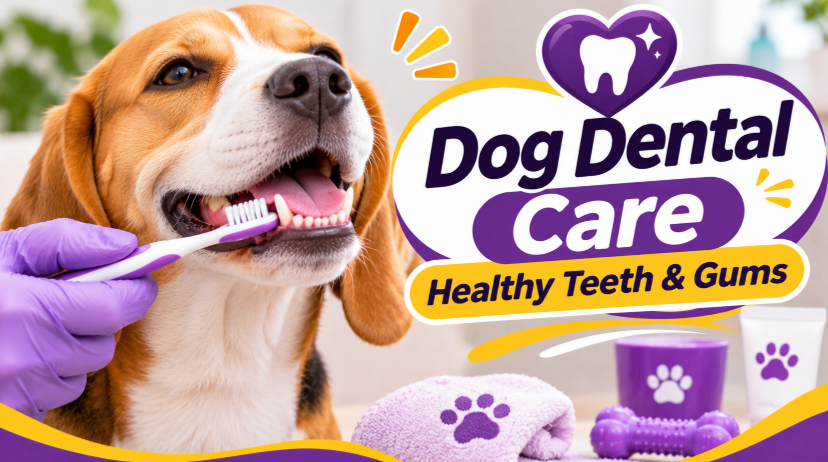
A dog's smile can tell you more about its health than you might think. While many owners pay close attention to nutrition, exercise, and grooming, dental hygiene is sometimes overlooked. Unfortunately, problems affecting the teeth and gums can develop gradually, making them easy to miss until a dog starts showing discomfort.
Good dental care is an important part of responsible dog ownership. Regular brushing, appropriate dental products, and veterinary examinations can help prevent plaque buildup and support healthier teeth and gums.
Whether you have a young puppy or an adult dog, establishing good oral hygiene habits early can make everyday care much easier.
Here is what every dog owner should know about maintaining their pet's dental health.
1. Why Is Dental Care Important for Dogs?
Dental care is about much more than keeping your dog's breath fresh. It helps protect the teeth, gums, and surrounding tissues from problems that can affect comfort and eating habits.
One of the most common dental conditions in dogs is periodontal disease. It develops when bacteria accumulate around the teeth and gums, eventually causing inflammation and damage to the structures supporting the teeth.
Poor oral health can contribute to:
- Inflamed or bleeding gums.
- Persistent bad breath.
- Loose or damaged teeth.
- Difficulty chewing food.
- Oral infections and discomfort.
Some dogs continue eating despite dental pain, which means owners may not immediately recognize a problem.
The American Veterinary Medical Association (AVMA) recommends regular veterinary dental examinations as part of preventive healthcare.
2. Understanding Plaque and Tartar Buildup
Plaque is a soft bacterial film that develops on the surface of teeth. When it is not regularly removed, minerals in saliva can cause it to harden into tartar, also called dental calculus.
Tartar often appears as yellowish or brown deposits near the gumline.
The problem becomes more serious when bacteria and inflammation affect the tissues beneath the gums. This is why simply removing visible deposits is not enough to address established dental disease.
Daily brushing helps disrupt plaque before it has an opportunity to accumulate and harden.
Once significant tartar has formed, professional veterinary cleaning may be necessary.
3. How to Brush Your Dog's Teeth Correctly
Brushing is one of the most effective ways to support your dog's dental health at home.
Ideally, introduce this routine gradually so your dog becomes comfortable with having its mouth handled.
Follow these simple steps:
Step 1: Choose the right supplies.
Use a toothbrush designed for dogs or a suitable soft-bristled pet toothbrush. Choose veterinary-approved toothpaste made specifically for animals.
Never use human toothpaste because dogs swallow toothpaste rather than reliably spitting it out. Some human products contain ingredients that are unsafe for pets.
Step 2: Introduce the toothpaste.
Allow your dog to smell and taste a small amount of the pet toothpaste so it becomes familiar.
Step 3: Start slowly.
Gently touch the outside of your dog's lips and gradually introduce contact with the teeth and gums.
Step 4: Begin brushing.
Use gentle movements, concentrating on the outer surfaces of the teeth, particularly near the gumline.
Step 5: Make it positive.
Offer praise and rewards throughout the process. Keep early sessions short and gradually increase the time as your dog becomes comfortable.
Daily brushing is ideal, although brushing several times per week can still be helpful.
If your dog shows signs of pain or strongly resists having its mouth touched, stop and consult your veterinarian.
4. Dental Chews and Other Oral Care Products
Tooth brushing should remain the foundation of your dog's home dental routine, but other products can provide additional support.
Some options include:
- Dental chews: Specially designed treats that help reduce plaque accumulation through chewing.
- Dental diets: Certain veterinary-formulated foods are designed to support oral hygiene.
- Water additives: Products formulated to help control oral bacteria and plaque.
- Dental gels: Pet-specific products that can complement an oral care routine.
Not every product marketed as dental care has demonstrated effectiveness.
Look for products accepted by the Veterinary Oral Health Council (VOHC). Its accepted-products list identifies products that meet established standards for plaque or tartar control.
Always consider your dog's size, chewing habits, and individual needs before introducing dental treats or chews. Your veterinarian can help you select appropriate options.
5. Common Signs of Dental Problems in Dogs
Dogs do not always show obvious signs when something is wrong with their teeth.
That is why regularly observing your dog's mouth, eating habits, and behavior is important.
Watch for these possible warning signs:
- Persistent bad breath.
- Yellow or brown deposits on teeth.
- Red or swollen gums.
- Drooling more than usual.
- Dropping food while eating.
- Chewing on one side of the mouth.
- Reduced appetite.
- Pawing at the mouth.
- Facial swelling or bleeding.
These symptoms should not be dismissed as normal aging or simply unpleasant breath.
If you notice any of these changes, arrange a veterinary examination. Facial swelling, bleeding, significant pain, or difficulty eating warrants prompt veterinary attention.
The Cornell University College of Veterinary Medicine provides additional information about recognizing and managing canine dental disease.
6. Why Professional Dental Cleanings Matter
Even dogs with good home dental routines may eventually need professional dental care.
A veterinary dental examination allows the veterinarian to evaluate areas that owners cannot properly inspect, including the tissues beneath the gumline.
Professional cleaning generally involves:
- A thorough oral examination.
- Assessment of the teeth and gums.
- Dental X-rays when indicated.
- Removal of plaque and tartar above and below the gumline.
- Polishing and additional treatment when necessary.
Complete professional dental cleaning generally requires general anesthesia so the veterinary team can safely examine and clean the entire mouth.
Anesthesia-free cosmetic cleanings are not an equivalent substitute because they cannot adequately assess or clean beneath the gumline.
Your veterinarian will recommend an appropriate dental schedule based on your dog's age, breed, medical history, and oral health.
7. How to Make Dental Care Part of Your Dog's Routine
Consistency makes dental care easier for both dogs and owners.
Try connecting tooth brushing with another familiar activity, such as the evening grooming routine.
A simple routine might include:
- Check your dog's mouth regularly for visible changes.
- Brush using pet-specific toothpaste.
- Provide appropriate dental products when recommended.
- Monitor eating habits and breath.
- Attend scheduled veterinary examinations.
If you have a puppy, introduce gentle mouth handling gradually and make the experience positive. This can help establish comfortable habits as permanent teeth develop.
Our guide to essential dog care tips covers other daily habits that support your pet's overall health.
8. Frequently Asked Questions About Dog Dental Care
How often should I brush my dog's teeth?
Daily brushing is ideal because plaque begins accumulating again after cleaning. Brushing several times per week is also beneficial when daily brushing is not possible.
Can I use human toothpaste on my dog?
No. Always use toothpaste formulated specifically for dogs. Human toothpaste may contain ingredients that are unsafe when swallowed by pets.
At what age should I start brushing my dog's teeth?
You can introduce gentle mouth handling during puppyhood. Establish a comfortable brushing routine as the permanent teeth develop, following your veterinarian's advice.
Do dental chews replace brushing?
No. Dental chews may help reduce plaque or tartar, but they should complement rather than replace regular brushing and veterinary examinations.
How do I know if my dog needs professional dental cleaning?
Persistent bad breath, visible tartar, red gums, discomfort while eating, and other oral changes can indicate a need for veterinary assessment.
Conclusion
Healthy teeth and gums are an important part of your dog's overall well-being. Regular brushing, appropriate dental products, and professional veterinary examinations can help prevent common oral health problems and keep your pet comfortable.
The most important step is to make dental hygiene a consistent part of everyday care rather than waiting until problems appear.
With patience and a suitable routine, maintaining your dog's dental health can become a simple habit that benefits your companion throughout its life.
Deja un comentario