
Dog Wellness Exams: What to Expect During a Veterinary Checkup
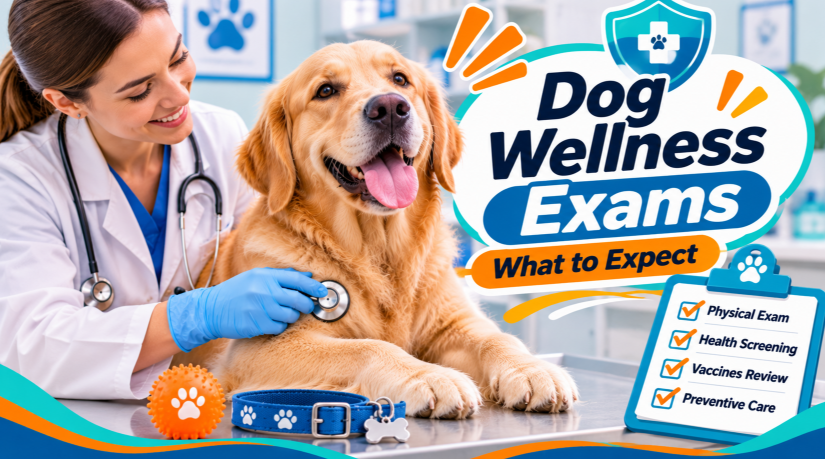
Even when your dog appears healthy, regular veterinary checkups play an important role in protecting its long-term well-being. Dogs cannot explain when something feels wrong, and some health conditions develop gradually without producing obvious symptoms during their early stages.
A wellness examination gives veterinarians an opportunity to evaluate your dog's general health, identify potential concerns, and recommend preventive care based on its individual needs.
Whether you have a young puppy, an active adult dog, or an older companion, understanding what happens during these appointments can help you prepare and make better decisions about your pet's healthcare.
In this guide, we will explain what dog wellness exams involve, what veterinarians typically evaluate, how often appointments may be needed, and how owners can make each visit more productive.
1. What Is a Dog Wellness Exam?
A dog wellness exam is a routine veterinary appointment designed to evaluate the health of a dog that does not necessarily appear sick.
Unlike an appointment focused on treating a specific illness, a wellness visit takes a broader approach. It considers physical health, nutrition, behavior, lifestyle, and potential health risks.
During the appointment, your veterinarian may review your dog's medical history, perform a physical examination, and recommend preventive measures.
These recommendations may include vaccinations, parasite prevention, dental assessments, nutritional guidance, and diagnostic testing when appropriate.
According to VCA Animal Hospitals' guide to wellness examinations, the examination helps veterinarians evaluate a dog's overall condition and develop recommendations suited to its individual circumstances.
2. How Often Should Dogs Have Wellness Exams?
The appropriate appointment schedule depends on your dog's age, health, breed, and lifestyle.
However, regular veterinary visits are important throughout every stage of life.
Puppies: Young dogs require frequent veterinary appointments during their early development. These visits help monitor growth, discuss vaccination schedules, evaluate development, and establish preventive care.
Adult dogs: Healthy adult dogs generally benefit from at least one comprehensive veterinary examination each year.
Senior dogs: Older dogs may benefit from examinations every six months because age-related conditions can develop or progress between annual appointments.
Dogs with chronic illnesses or particular health concerns may need additional visits.
The American Animal Hospital Association (AAHA) recommends tailoring veterinary visit frequency to each animal's age, breed, health, and environment.
Your veterinarian can help establish the most appropriate schedule for your dog.
3. What Happens During a Physical Examination?
One of the most important parts of a wellness appointment is the physical examination.
Your veterinarian will generally evaluate your dog from head to tail, looking for abnormalities and changes that may require further investigation.
Some commonly assessed areas include:
Eyes and ears: The veterinarian checks for redness, discharge, irritation, unusual odor, and other visible abnormalities.
Mouth and teeth: Oral health is evaluated for signs of gum inflammation, tartar accumulation, damaged teeth, and other concerns.
Heart and lungs: A stethoscope is used to listen for unusual heart sounds, rhythm changes, and breathing abnormalities.
Skin and coat: The veterinarian looks for lumps, irritation, unusual hair loss, dryness, parasites, and other skin changes.
Abdomen: Gentle examination may help identify discomfort, unusual enlargement, or other abnormalities.
Joints and movement: Your dog's gait, posture, muscle condition, and mobility may be evaluated.
Body condition: Weight and body condition are reviewed to help determine whether nutritional adjustments may be appropriate.
These assessments provide useful information about your dog's general health, although additional tests may be necessary to investigate specific concerns.
4. Why Your Veterinarian Asks About Diet and Behavior
A wellness examination involves more than checking physical appearance.
Your observations at home provide valuable information that may not be obvious during a short appointment.
Your veterinarian may ask questions about:
- Your dog's regular food and feeding schedule.
- Changes in appetite or thirst.
- Daily exercise and activity levels.
- Sleeping habits.
- Urination and bowel movements.
- Interactions with other animals.
- Recent behavioral changes.
- Current medications and supplements.
For example, increased thirst, changes in appetite, or unusual tiredness may indicate a health concern that deserves further evaluation.
Be honest when describing your dog's habits, even if a change seems minor.
5. Preventive Tests and Screenings
Depending on your dog's age, medical history, and examination findings, your veterinarian may recommend additional testing.
These tests are not automatically necessary for every dog. Recommendations should be based on individual risk factors and clinical judgment.
Common examples include:
Blood tests: A complete blood count and blood chemistry profile can provide information about blood cells and organ function.
Urinalysis: A urine examination may help evaluate urinary health and identify certain abnormalities.
Fecal testing: Stool samples can be examined for evidence of intestinal parasites.
Heartworm testing: Depending on geographic exposure and veterinary recommendations, testing may be included in a preventive healthcare plan.
Imaging: X-rays or ultrasound examinations may be recommended when a physical examination or medical history suggests the need for further investigation.
The Merck Veterinary Manual's preventive healthcare guide explains how examinations, vaccinations, parasite control, nutrition, and diagnostic testing contribute to preventive veterinary care.
6. Vaccination and Parasite Prevention Reviews
Wellness appointments also provide an opportunity to review your dog's protection against infectious diseases and parasites.
Your veterinarian may check vaccination records and determine whether additional doses or boosters are appropriate.
Recommendations depend on factors such as age, previous vaccinations, location, lifestyle, and exposure to other animals.
Parasite prevention may also be discussed, including protection against fleas, ticks, intestinal worms, and heartworms where relevant.
For a more detailed explanation of preventive immunization, visit our Dog Vaccination Guide.
Avoid choosing preventive products or changing schedules without professional advice, since not every dog has the same requirements.
7. How to Prepare for Your Dog's Veterinary Appointment
A little preparation can make a wellness examination more useful and organized.
Before leaving home, consider these steps:
Bring medical records: Take vaccination information, previous test results, and relevant medical documents.
Prepare a medication list: Include prescribed medications and supplements your dog currently receives.
Write down your questions: This helps you remember concerns during the appointment.
Observe recent changes: Make notes about appetite, thirst, energy, behavior, or bathroom habits.
Bring a fresh stool sample if requested: Your clinic can explain how to collect and transport it appropriately.
Use appropriate transportation equipment: A secure carrier or leash helps keep your dog safe during the journey.
If your dog becomes anxious during veterinary visits, inform the clinic before the appointment so the staff can discuss suitable ways to make the experience more comfortable.
8. What Questions Should You Ask Your Veterinarian?
Wellness visits are an excellent opportunity to understand your dog's individual healthcare needs.
Consider asking:
- Is my dog at an appropriate life stage for its current preventive care schedule?
- Are its vaccinations up to date?
- Which parasite prevention measures are appropriate?
- Are additional screening tests recommended?
- Are there any changes needed in its diet?
- What signs should I monitor before the next appointment?
- When should the next wellness examination be scheduled?
You do not need to ask every question at once. Focus on the concerns most relevant to your dog's health.
9. Frequently Asked Questions About Dog Wellness Exams
Does my dog need a checkup if it looks healthy?
Yes. Some health conditions may not produce obvious symptoms initially. Routine examinations help evaluate your dog's condition and identify concerns that may otherwise go unnoticed.
Are wellness exams the same as vaccinations?
No. Vaccinations are one component of preventive healthcare. A wellness examination evaluates many additional aspects of your dog's health.
Are blood tests required at every appointment?
Not necessarily. Your veterinarian determines whether testing is appropriate based on your dog's age, medical history, examination findings, and individual risk factors.
Should senior dogs visit the veterinarian more frequently?
Many senior dogs benefit from more frequent examinations, often every six months. The appropriate schedule depends on their individual health.
What if my dog develops symptoms before its next appointment?
Do not wait for the next routine checkup. Contact your veterinarian and arrange an examination based on the symptoms.
Conclusion
Dog wellness exams are an essential part of responsible pet ownership. They provide an opportunity to evaluate your dog's physical condition, review preventive healthcare, and discuss changes that may affect its well-being.
From checking the heart and lungs to reviewing nutrition, vaccinations, and parasite prevention, these appointments help create a more complete picture of your dog's health.
Remember that every dog has different needs. Work with your veterinarian to establish an appropriate examination schedule and follow recommendations based on your pet's age, lifestyle, and medical history.
Consistent preventive care can help identify potential concerns earlier and support a healthier, more comfortable life for your companion.
Deja un comentario