
Dog Vaccination Guide: Essential Vaccines and Preventive Care
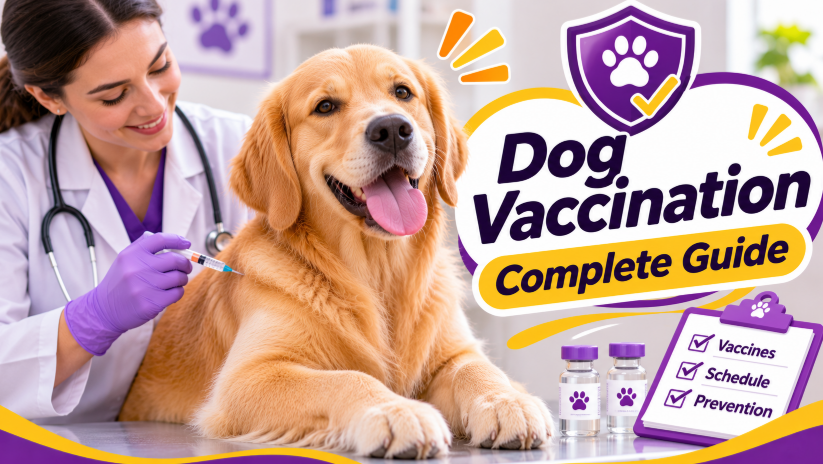
Keeping your dog healthy involves more than providing nutritious food, regular exercise, and proper grooming. Preventive veterinary care is equally important, and vaccinations play a major role in protecting dogs against several infectious diseases.
Whether you have recently welcomed a puppy into your home or are caring for an adult dog, understanding how vaccinations work can help you make informed decisions about your pet's health.
Vaccines prepare a dog's immune system to recognize specific infectious organisms. This helps reduce the risk of serious illness and, in many cases, prevents diseases from spreading between animals.
However, not every dog needs exactly the same vaccination schedule. Age, medical history, geographical location, lifestyle, and exposure risks all influence veterinary recommendations.
Here is what every responsible dog owner should know about canine vaccinations.
1. Why Are Vaccinations Important for Dogs?
Vaccinations help protect dogs against infectious diseases that can cause serious health complications.
Some canine diseases spread through contact with infected animals, contaminated environments, or other routes of exposure. Certain infections can also affect multiple animals within the same household or community.
A suitable vaccination program can help:
- Reduce the risk of serious infectious diseases.
- Protect puppies during early development.
- Reduce disease transmission between dogs.
- Support community animal health.
- Protect against certain diseases that can also affect humans.
Vaccination is especially important for puppies because their immune systems are still developing.
The American Veterinary Medical Association (AVMA) explains how vaccines protect pets and why preventive immunization is an important part of responsible ownership.
2. Understanding Core and Non-Core Dog Vaccines
Veterinarians generally classify canine vaccines into two main groups: core and non-core vaccines.
Core vaccines protect against diseases considered important for most dogs, regardless of their lifestyle.
Common examples include vaccines against:
- Canine distemper.
- Canine adenovirus.
- Canine parvovirus.
- Rabies, according to geographical risk and local requirements.
The canine combination vaccine commonly known as DHPP or DAPP protects against several important diseases. Depending on the formulation, it may also include protection against parainfluenza.
Non-core vaccines are recommended according to individual risk factors.
Examples include vaccines against:
- Bordetella, associated with kennel cough.
- Lyme disease.
- Canine influenza.
- Other regionally relevant infectious diseases.
An important consideration is leptospirosis. The 2024 AAHA guideline update recommends considering this vaccine a core vaccine for all dogs, reflecting the importance of this infection. Other international recommendations consider geographical prevalence and local circumstances when classifying it.
The AAHA Canine Vaccination Guidelines provide detailed recommendations for selecting appropriate vaccines.
3. Essential Vaccines Every Dog Owner Should Know About
Understanding what different vaccines protect against makes it easier to discuss your dog's preventive care with a veterinarian.
Canine distemper: Protects against a serious viral disease that can affect the respiratory, digestive, and nervous systems.
Canine parvovirus: Helps prevent a highly contagious disease that can cause severe gastrointestinal illness, particularly in puppies.
Canine adenovirus: Provides protection against infections associated with canine hepatitis and other respiratory conditions, depending on the vaccine.
Rabies: Protects against a fatal viral disease that affects the nervous system and can spread to humans through infected animal bites. Vaccination is particularly important in regions where rabies occurs.
Leptospirosis: Helps protect against a bacterial infection that can affect the kidneys and liver and may also infect humans.
Bordetella: Helps reduce the risk of certain respiratory infections associated with kennel cough.
Your veterinarian can determine which vaccines are appropriate based on your dog's health, location, and exposure risks.
4. Puppy Vaccination Schedule: What Should Owners Expect?
Puppies need a carefully planned vaccination series because antibodies received from their mothers can interfere with the effectiveness of early vaccines.
For this reason, one vaccination is generally not enough to provide reliable protection.
A typical general timeline includes:
6–8 weeks: Initial core vaccinations may begin, depending on the puppy's health and veterinary recommendations.
10–12 weeks: Additional doses are administered according to the recommended interval.
14–16 weeks or older: Further vaccination is given to complete the initial series. Current international guidance emphasizes that the final core puppy dose should be administered at 16 weeks of age or older.
After the initial series: A subsequent vaccination is scheduled according to the vaccine, applicable guidelines, and veterinary advice.
These are general reference points, not a personalized prescription. The exact timing may differ depending on the vaccines used, local disease risks, and your puppy's medical history.
Do not assume that a puppy is fully protected immediately after its first vaccination.
5. Do Adult Dogs Need Booster Vaccinations?
Yes. Adult dogs may need booster vaccinations to maintain appropriate protection against infectious diseases.
However, not every vaccine requires the same booster frequency.
For example, AAHA guidelines recommend a booster for certain core combination vaccines within one year after the initial series, followed by subsequent boosters at three-year intervals.
Rabies boosters must follow the vaccine label and applicable local laws.
Some non-core vaccines may require annual boosters or different schedules depending on the product and exposure risk.
If you adopt an adult dog with an unknown vaccination history, arrange a veterinary examination and bring any available medical records.
Your veterinarian can determine whether additional vaccinations are appropriate.
6. Possible Side Effects After Dog Vaccinations
Most dogs tolerate vaccinations well, although mild reactions can sometimes occur.
Common temporary effects include:
- Mild tiredness.
- Slight discomfort around the injection site.
- Reduced appetite.
- Mild fever.
- Temporary swelling near the vaccination area.
These reactions generally resolve without complications.
However, more serious allergic reactions are possible, although uncommon.
Seek immediate veterinary attention if your dog develops facial swelling, difficulty breathing, collapse, widespread hives, or persistent vomiting after vaccination.
Always tell your veterinarian if your dog has experienced a previous reaction to a vaccine or medication.
The AVMA vaccination information guide explains common reactions and warning signs that require veterinary attention.
7. How to Prepare Your Dog for a Vaccination Appointment
A little preparation can make veterinary visits more comfortable.
Before the appointment:
- Bring your dog's previous vaccination records.
- Inform the veterinarian about any recent illness.
- Mention medications or supplements your dog receives.
- Explain any previous vaccine reactions.
- Ask which vaccines are recommended for your dog's lifestyle.
During the appointment, the veterinarian may perform a general physical examination before deciding whether vaccination should proceed.
Keep the vaccination certificate or medical record afterward. Recording each vaccine and its administration date makes future appointments easier to organize.
8. Common Dog Vaccination Mistakes to Avoid
Even responsible owners sometimes misunderstand vaccination requirements.
Avoid these common mistakes:
- Assuming one puppy vaccination provides complete protection.
- Missing scheduled follow-up appointments.
- Giving unnecessary vaccines without veterinary assessment.
- Ignoring local rabies vaccination requirements.
- Assuming every dog needs identical vaccines.
- Failing to keep vaccination records.
- Attempting to administer vaccines without appropriate veterinary guidance.
Vaccination decisions should be based on professional recommendations rather than guesswork.
9. Frequently Asked Questions About Dog Vaccinations
At what age should puppies receive their first vaccines?
Core puppy vaccinations commonly begin around 6–8 weeks of age. Your veterinarian will establish the appropriate schedule.
How often should adult dogs receive vaccinations?
It depends on the vaccine. Some require boosters annually, while certain core vaccines are administered at longer intervals.
Can indoor dogs skip vaccinations?
No. Indoor dogs can still encounter infectious diseases through people, other animals, and contaminated environments. Their vaccination requirements should be discussed with a veterinarian.
What happens if my dog misses a booster?
Contact your veterinarian. The appropriate next step depends on the vaccine, previous doses, and how much time has passed.
Are dog vaccinations safe?
Licensed veterinary vaccines have a strong safety record. Mild temporary reactions can occur, while serious reactions are uncommon. Your veterinarian can assess individual risks.
Conclusion
Vaccinations are an essential part of responsible dog ownership and preventive healthcare. They help protect dogs against serious infectious diseases while supporting the health of other animals and, in some cases, people.
The best vaccination plan is one based on your dog's age, medical history, lifestyle, and geographical location.
Keep vaccination records updated, attend regular veterinary examinations, and ask questions whenever you are unsure about a particular vaccine.
A well-planned preventive care routine can make a meaningful difference in protecting your dog's health throughout every stage of life.
Deja un comentario