
Dog Ear Care: Cleaning, Prevention, and Common Problems
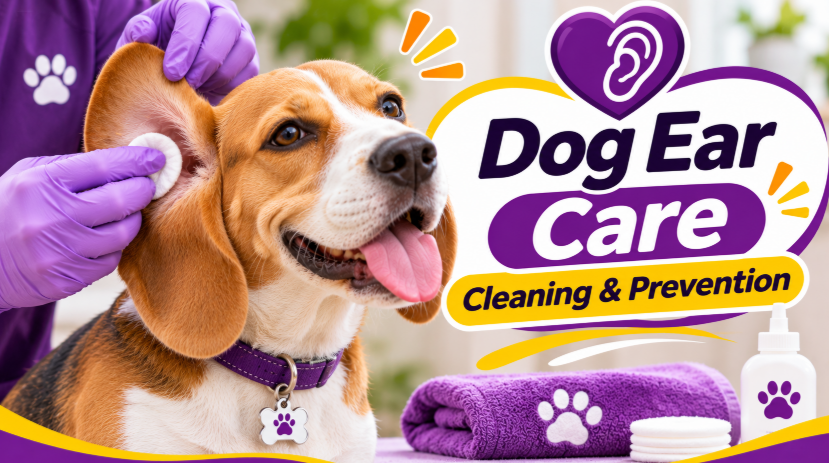
A dog's ears are easy to overlook during everyday grooming, but keeping them healthy is an important part of responsible pet ownership. While some dogs naturally have clean ears that require very little maintenance, others may be more susceptible to wax buildup, irritation, and infections.
Ear problems can develop for different reasons, including allergies, moisture, parasites, and bacterial or yeast overgrowth. Recognizing early changes can help owners seek veterinary attention before a minor concern becomes more uncomfortable.
Fortunately, checking your dog's ears and maintaining appropriate hygiene does not have to be complicated. With gentle handling and suitable products, you can make ear care a comfortable part of your dog's wellness routine.
1. Why Is Ear Care Important for Dogs?
A dog's ears are sensitive structures that help with hearing and balance. Their ear canals also have a distinctive shape that can make it difficult for moisture and debris to escape naturally.
Regular ear checks allow owners to notice changes such as unusual odors, redness, excessive wax, or discharge.
Good ear care can help:
- Identify potential problems early.
- Remove visible dirt and excess wax when appropriate.
- Reduce unnecessary moisture accumulation.
- Monitor changes in ear appearance.
- Maintain comfort during everyday activities.
Not every dog needs regular ear cleaning. Some healthy dogs only need occasional inspections, while others may require a veterinarian-recommended cleaning routine.
The important thing is to understand your dog's individual needs rather than cleaning unnecessarily.
2. Common Dog Ear Problems
Several conditions can affect canine ears. Understanding their differences can help owners recognize when professional attention is needed.
Ear infections: Bacterial and yeast infections can cause inflammation, discomfort, discharge, and unpleasant odors.
Ear mites: These tiny parasites can cause irritation and increased ear debris, particularly in some puppies and dogs exposed to infected animals.
Allergic ear inflammation: Environmental or food-related allergies can contribute to recurring irritation and ear problems.
Excessive wax accumulation: Some dogs naturally produce more earwax, which can contribute to discomfort when it builds up.
Moisture-related irritation: Water remaining in the ears after swimming or bathing may contribute to conditions that encourage inflammation and infection.
These conditions can produce similar symptoms, so owners should avoid assuming that every ear problem has the same cause.
For more information, the Merck Veterinary Manual explains common ear infections and associated conditions in dogs.
3. Signs Your Dog May Have an Ear Problem
Dogs often communicate discomfort through changes in their behavior.
Pay attention to signs such as:
- Frequent head shaking.
- Repeated scratching around the ears.
- Redness or swelling.
- Unusual or unpleasant odors.
- Excessive wax or discharge.
- Sensitivity when the ears are touched.
- Holding the head at an unusual angle.
- Changes in balance or coordination.
A small amount of earwax can be normal. However, persistent discharge, strong odors, or noticeable discomfort should not be ignored.
Head tilting, balance problems, or significant pain require prompt veterinary attention.
If your dog develops any concerning symptoms, arrange an examination rather than attempting to treat the problem with ordinary cleaning products.
4. How to Clean Your Dog's Ears Safely
Ear cleaning should be gentle and performed only when necessary or recommended by your veterinarian.
Before starting, prepare a veterinarian-approved dog ear cleaner, cotton balls or gauze, a clean towel, and a few treats.
If your veterinarian has confirmed that home cleaning is appropriate, follow these general steps:
Step 1: Make your dog comfortable.
Choose a quiet environment and allow your dog to become familiar with the cleaning supplies.
Step 2: Examine the visible ear.
Look for redness, swelling, unusual discharge, or signs of discomfort. Do not continue if the ear appears painful or infected.
Step 3: Use an appropriate cleaning solution.
Follow the product instructions and your veterinarian's recommendations. Some dogs tolerate cleaner applied to a cotton pad more comfortably.
Step 4: Clean only accessible areas.
Use a soft cotton pad or gauze to gently remove visible debris from the outer ear and accessible areas. Never insert objects deep into the ear canal.
Step 5: Reward your dog.
Use praise and treats to make the experience positive. Stop if your dog shows signs of pain or distress.
For a more detailed explanation, see Cornell University's guide to cleaning your dog's ears.
5. What Should You Never Use to Clean Dog Ears?
Using unsuitable products can irritate sensitive ear tissues and make existing problems worse.
Avoid:
- Cotton swabs inserted into the ear canal.
- Hydrogen peroxide.
- Rubbing alcohol.
- Vinegar or homemade cleaning mixtures.
- Human ear-cleaning products without veterinary approval.
- Sharp objects or tools intended to remove wax.
Cotton swabs can push debris deeper into the ear canal or cause injury.
Also, avoid forcing cleaning solution into an ear that is painful, inflamed, or potentially infected.
The VCA Animal Hospitals ear-cleaning instructions explain appropriate cleaning products and common mistakes to avoid.
6. How Often Should You Clean Your Dog's Ears?
There is no universal cleaning schedule for every dog.
Some dogs have naturally clean ears and rarely require cleaning. Others may need more frequent maintenance because of their ear shape, allergies, swimming habits, or previous infections.
Consider these factors:
- Ear shape: Dogs with floppy ears may need closer monitoring.
- Swimming: Dogs that swim frequently may require additional attention to moisture management.
- Allergies: Dogs with recurring allergies may experience repeated ear inflammation.
- Coat characteristics: Some breeds have more hair around their ear openings.
- Medical history: Previous infections may influence future care recommendations.
Ask your veterinarian how often your dog needs ear cleaning and which products are appropriate.
Overcleaning can irritate otherwise healthy ears, so more cleaning does not necessarily mean better care.
7. Tips for Preventing Common Ear Problems
A few everyday habits can help support healthy ears.
Check the ears regularly: Look for changes in color, odor, wax, and general appearance.
Keep ears appropriately dry: After swimming or bathing, gently dry the visible outer ear with a clean towel.
Use suitable grooming products: Choose veterinary-approved products rather than household cleaning solutions.
Manage allergies: If your dog experiences recurring ear irritation, discuss possible allergies with your veterinarian.
Follow veterinary instructions: Complete prescribed treatments and attend recommended follow-up examinations.
Our dog grooming guide also explains how ear checks can become part of a regular grooming routine.
8. Frequently Asked Questions About Dog Ear Care
How often should I check my dog's ears?
A weekly visual inspection is a useful habit for many dogs. Cleaning frequency, however, should depend on individual needs and veterinary recommendations.
Is some earwax normal in dogs?
Yes. A small amount of earwax is normal. Excessive buildup, unusual discharge, or unpleasant odors may indicate a problem.
Can I use baby wipes to clean my dog's ears?
Ordinary baby wipes are not designed for cleaning the ear canal. Use appropriate pet products recommended by your veterinarian.
Why does my dog keep shaking its head?
Repeated head shaking can indicate irritation, infection, parasites, or another ear problem. Arrange a veterinary examination if it persists.
Do dogs with floppy ears need more attention?
Some floppy-eared dogs may be more prone to ear problems, but individual risk varies. Regular inspections and appropriate veterinary advice are important.
Conclusion
Healthy ears are an important part of your dog's overall well-being. Regular inspections, appropriate cleaning when necessary, and attention to unusual symptoms can help owners identify potential problems early.
Remember that every dog has different ear care requirements. Avoid unnecessary cleaning, use veterinarian-approved products, and seek professional advice whenever discomfort or signs of infection appear.
With gentle handling and a consistent wellness routine, you can help keep your dog's ears comfortable and support its long-term health.
Deja un comentario