
Dog Grooming Guide: Brushing, Bathing, and Coat Maintenance
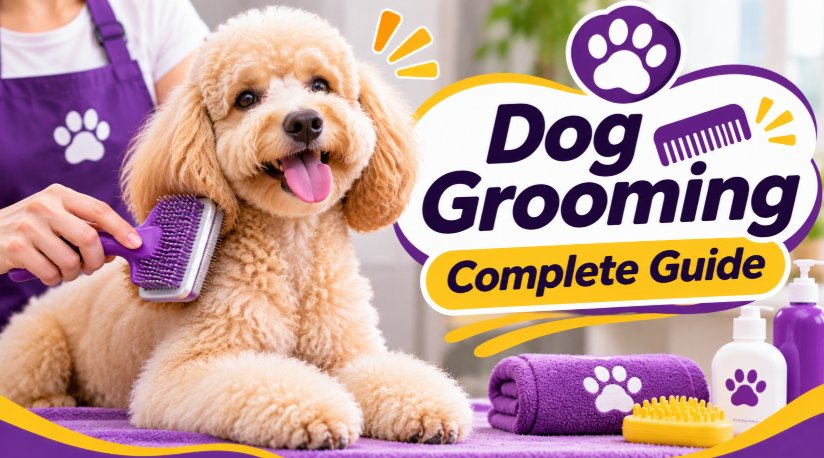
A clean, well-groomed dog is not just pleasant to look at. Regular grooming plays an important role in maintaining healthy skin, a comfortable coat, clean ears, and properly trimmed nails. It also gives owners an opportunity to notice changes that might otherwise go unnoticed.
Some dogs need only occasional brushing, while others require daily attention to prevent tangles and mats. Their grooming needs depend on coat type, breed, age, lifestyle, and individual skin condition.
The good news is that grooming does not always have to be complicated. With suitable tools, a little patience, and a consistent routine, most owners can handle many basic grooming tasks at home.
Here is how to keep your dog clean, comfortable, and well cared for.
1. Why Is Regular Dog Grooming Important?
Grooming is an essential part of responsible dog ownership. It helps maintain the condition of your dog's coat and skin while making it easier to identify potential problems.
Regular grooming can help:
- Remove loose hair and dirt.
- Reduce tangles and painful mats.
- Distribute natural oils throughout the coat.
- Identify unusual skin changes.
- Keep nails at a comfortable length.
- Maintain clean ears and facial areas.
- Improve your dog's comfort.
Grooming also provides an opportunity to build trust. When introduced gradually and positively, brushing and handling can become enjoyable parts of your dog's routine.
2. Choose the Right Brush for Your Dog's Coat
Not every dog needs the same grooming equipment. Using an appropriate brush makes the process more comfortable and effective.
Here are some common coat types and suitable tools:
Short-haired dogs: A soft-bristle brush or rubber grooming mitt can help remove loose hair and surface dirt.
Long-haired dogs: A pin brush and suitable comb can help prevent tangles and maintain the coat.
Curly-coated dogs: A slicker brush and metal comb are often useful for reaching through dense curls.
Double-coated dogs: Appropriate undercoat grooming tools can help remove loose undercoat during shedding periods.
Brush gently and avoid pulling through difficult knots. If a mat is tight against the skin, ask a professional groomer or veterinarian for help rather than attempting to cut it out yourself.
3. How Often Should You Brush Your Dog?
Brushing frequency depends on coat length, texture, and shedding patterns.
A general guide includes:
- Short coats: Once or twice weekly may be sufficient.
- Medium coats: Several times weekly.
- Long coats: Often daily to prevent tangles.
- Curly coats: Frequent brushing and combing are important.
Dogs with thick double coats may need additional attention during seasonal shedding.
During brushing, pay attention to areas where tangles commonly develop, including behind the ears, under the legs, around the collar, and near the tail.
If your dog has sensitive skin, use gentle movements and stop if brushing causes discomfort.
4. How to Bathe Your Dog Properly
Bathing helps remove dirt, odors, and accumulated debris. However, bathing too frequently or using unsuitable products can irritate your dog's skin.
Follow these steps for a more comfortable bath:
- Brush the coat before bathing to remove loose hair and tangles.
- Use lukewarm water rather than very hot water.
- Choose a shampoo formulated specifically for dogs.
- Wet the coat carefully, avoiding direct water exposure to the eyes and inside the ears.
- Massage the shampoo gently into the coat.
- Rinse thoroughly to remove all product residue.
- Dry your dog using a clean towel and an appropriate drying method.
Never use household cleaning products or regular human shampoo as substitutes for dog shampoo.
Bathing frequency varies. Some dogs need baths more frequently because of their lifestyle or skin condition, while others can go longer between baths.
If your dog has persistent itching, redness, or unusual odor, consult your veterinarian before changing its bathing routine.
For additional information about maintaining healthy skin, the American Kennel Club's grooming resources offer useful advice for different coat types.
5. Nail Trimming and Paw Maintenance
Long nails can affect how a dog walks and may become uncomfortable over time.
Check your dog's nails regularly. Some dogs naturally wear them down through outdoor activity, while others need more frequent trimming.
A few useful tips include:
- Use nail clippers designed for dogs.
- Remove only small amounts at a time.
- Avoid cutting into the quick, which contains blood vessels and nerves.
- Ask a professional groomer or veterinarian for help if you are unsure.
- Check paw pads for dirt, irritation, or foreign objects.
If a nail is damaged, bleeding, or painful, seek veterinary advice.
Our upcoming guide to dog paw care will cover paw hygiene and protection in more detail.
6. Keep Your Dog's Ears Clean
Ear care is another important part of grooming, particularly for dogs with floppy ears or dense hair around the ear canal.
During regular grooming sessions, look for:
- Unusual odors.
- Redness or swelling.
- Excessive wax or discharge.
- Frequent head shaking.
- Repeated scratching around the ears.
Only clean the visible parts of the ear using products recommended for dogs. Never insert cotton swabs or other objects deep into the ear canal.
If you notice discomfort, discharge, or persistent odor, arrange a veterinary examination instead of repeatedly cleaning the area.
7. Professional Grooming vs. Grooming at Home
Many owners can manage basic brushing, bathing, and routine coat maintenance themselves. However, professional grooming can be helpful for dogs with complicated coat requirements.
A professional groomer may assist with:
- Breed-specific haircuts.
- Removing difficult tangles.
- Managing thick or curly coats.
- Nail trimming.
- Routine coat maintenance.
Dogs with severe matting, skin conditions, or painful grooming problems may need veterinary assessment before grooming continues.
The American Veterinary Medical Association also provides general resources to help owners maintain their pets' health and well-being.
8. Common Dog Grooming Mistakes to Avoid
Even well-intentioned owners can make mistakes when grooming their pets.
Some common examples include:
- Bathing too frequently without considering skin condition.
- Using human shampoo.
- Brushing aggressively through knots.
- Ignoring areas where mats commonly develop.
- Cutting nails too short.
- Using unsuitable ear-cleaning products.
- Leaving shampoo residue on the coat.
- Ignoring signs of discomfort during grooming.
The best approach is to keep grooming gentle, use appropriate products, and seek professional help whenever a task becomes difficult.
9. Frequently Asked Questions About Dog Grooming
How often should I groom my dog?
Basic grooming should be part of your regular routine. Brushing frequency depends on coat type, while bathing and professional grooming schedules vary between individual dogs.
Can I use human shampoo on my dog?
No. Human shampoos are not formulated specifically for canine skin. Choose a suitable dog shampoo instead.
Why does my dog dislike being brushed?
Some dogs are unfamiliar with grooming, while others may experience discomfort from tangles or sensitive skin. Introduce brushing gradually using gentle movements and positive reinforcement.
Do short-haired dogs need grooming?
Yes. Short-haired dogs still benefit from brushing, bathing when necessary, nail maintenance, and regular skin checks.
When should I take my dog to a professional groomer?
Professional grooming can be helpful when your dog has a complicated coat, difficult tangles, or needs specialized trimming. Seek veterinary advice if grooming reveals pain, skin problems, or ear abnormalities.
Conclusion
Regular grooming is one of the simplest ways to support your dog's everyday comfort and hygiene. Brushing, appropriate bathing, nail maintenance, and basic ear care all contribute to a healthy grooming routine.
Remember that every coat is different. Learning what works for your dog's individual needs will help prevent common grooming problems and make the experience more enjoyable.
With patience, suitable tools, and consistent care, grooming can become a positive part of your dog's life.
Deja un comentario