
Dog Paw Care: How to Protect and Maintain Healthy Paws
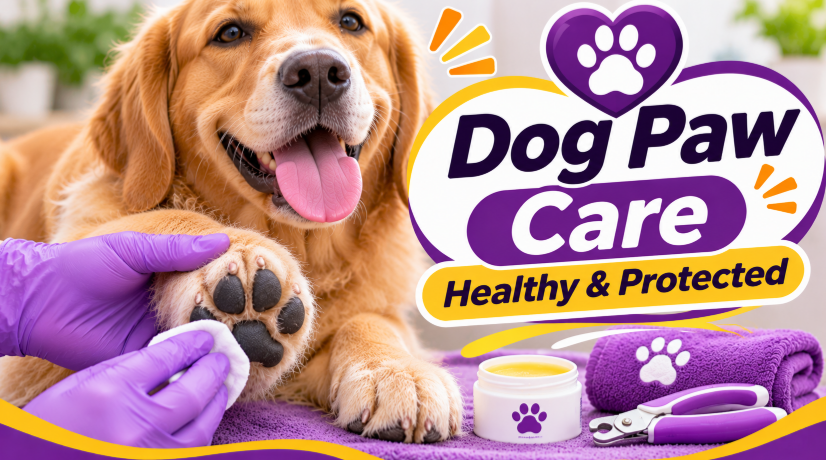
Your dog's paws do a lot of work every day. They support its body, absorb the impact of walking and running, and help maintain traction on different surfaces. Despite their importance, paw care is something many dog owners forget when establishing a regular grooming routine.
A dog's paw pads are naturally designed to handle everyday movement, but they are not indestructible. Hot pavement, rough terrain, excessive moisture, dirt, and minor injuries can all affect paw health.
The good news is that simple preventive habits can help keep your dog's feet comfortable and healthy. Regular inspections, gentle cleaning, and appropriate protection can make a meaningful difference.
Whether your dog enjoys long walks, outdoor adventures, or relaxing around the house, here is how to take better care of its paws.
1. Why Is Paw Care Important for Dogs?
A dog's paws contain several structures that work together to support movement and protect the feet.
The paw pads provide cushioning, help absorb impact, and offer traction when walking or running. They also provide some insulation against environmental temperatures.
Healthy paws help dogs:
- Walk and run comfortably.
- Maintain balance on different surfaces.
- Explore outdoor environments.
- Protect the tissues beneath the feet.
- Support normal movement and activity.
When paw pads become irritated or injured, ordinary activities can become uncomfortable.
Regular paw inspections help owners notice changes before they become more serious.
2. How to Inspect Your Dog's Paws
Checking your dog's paws should be a simple part of your regular grooming routine.
Choose a calm moment when your dog is relaxed. Gently examine each foot, paying attention to the pads, nails, and spaces between the toes.
Look for:
- Cuts or visible injuries.
- Cracked or unusually dry pads.
- Redness or swelling.
- Foreign objects or accumulated dirt.
- Broken or overgrown nails.
- Unusual odors or discharge.
- Excessive licking or chewing.
Compare all four paws because differences between them may help you notice an emerging problem.
If your dog suddenly starts limping, avoids putting weight on a foot, or reacts painfully when touched, arrange a veterinary examination.
The American Society for the Prevention of Cruelty to Animals (ASPCA) includes regular paw inspections among its recommended dog grooming practices.
3. How to Clean Your Dog's Paws Properly
Dogs naturally collect dirt, mud, sand, and other debris during outdoor activities. Cleaning their paws after walks helps prevent unwanted substances from spreading around your home and reduces irritation.
Follow these simple habits:
Step 1: Inspect the paws.
Check the pads and spaces between the toes for visible dirt, small stones, or debris.
Step 2: Use a damp cloth.
A clean, soft cloth or pet-safe wipe is usually sufficient for everyday dirt.
Step 3: Clean between the toes.
Gently separate the toes to check for accumulated dirt or moisture. Avoid pulling at anything embedded in the skin.
Step 4: Rinse when necessary.
If the paws are particularly muddy or contaminated, use lukewarm water to clean them thoroughly.
Step 5: Dry carefully.
Use a clean towel to dry the paws, especially between the toes, where moisture can accumulate.
Avoid household cleaning chemicals, strongly scented products, and human skincare products unless your veterinarian specifically recommends them.
For additional guidance, the American Kennel Club's dog paw cleaning guide explains how to remove dirt and protect your dog's feet after outdoor activities.
4. Protect Your Dog's Paws From Hot Surfaces
Hot weather creates an important risk for dogs, particularly when they walk on asphalt, concrete, sand, or other surfaces exposed to direct sunlight.
These surfaces can become much hotter than the surrounding air and may cause paw pad burns.
To reduce the risk:
- Walk during cooler morning or evening hours.
- Choose shaded routes whenever possible.
- Prefer grass or cooler natural surfaces.
- Avoid prolonged walks during extreme heat.
- Consider appropriately fitted dog booties when necessary.
Watch for limping, excessive paw licking, redness, or reluctance to walk after outdoor activities.
If you suspect a paw burn, move your dog away from the hot surface and contact a veterinarian promptly.
The American Animal Hospital Association (AAHA) provides additional information about recognizing and preventing paw injuries caused by hot pavement.
5. Protect Paw Pads From Dryness and Cracking
Paw pads are naturally tougher than ordinary skin, but they can still become dry, irritated, or damaged.
Environmental conditions, rough surfaces, and repeated exposure to irritating substances may affect their condition.
Some helpful preventive habits include:
- Inspecting pads regularly.
- Cleaning away dirt after outdoor activities.
- Avoiding unnecessarily rough walking surfaces.
- Using veterinarian-approved paw balms when appropriate.
- Providing suitable resting areas indoors.
Do not assume that every crack or change in texture is simply dry skin.
Persistent cracking, bleeding, swelling, or discomfort should be evaluated by a veterinarian.
6. Keep Your Dog's Nails at a Healthy Length
Nail maintenance is another important part of paw care.
Overgrown nails can interfere with normal walking and may increase the risk of discomfort or broken nails.
Check your dog's nails regularly. Some dogs naturally wear them down through outdoor activity, while others need more frequent trimming.
A few useful considerations include:
- Use grooming equipment designed for dogs.
- Introduce nail handling gradually.
- Avoid trimming too much at once.
- Ask a professional groomer or veterinarian for assistance if needed.
The quick inside each nail contains blood vessels and nerves, so trimming incorrectly can cause pain and bleeding.
If your dog becomes anxious during nail care, do not force the process. A qualified groomer or veterinary professional can help.
Our dog grooming guide covers additional information about brushing, bathing, and routine nail maintenance.
7. Watch for Common Paw Problems
Several conditions can affect a dog's feet.
Paw pad injuries: Cuts, scrapes, and burns can make walking uncomfortable.
Allergic irritation: Some dogs develop itchy or inflamed paws because of environmental or other allergies.
Interdigital inflammation: The skin between the toes can become irritated or swollen.
Foreign objects: Small stones, plant material, and other debris may become lodged around the toes or pads.
Broken nails: Damaged nails can cause pain and sometimes require veterinary treatment.
Persistent licking, swelling, unusual discharge, and limping are reasons to arrange a veterinary examination.
Avoid applying random creams or attempting to remove deeply embedded objects yourself.
The VCA Animal Hospitals guide to injured paw pads explains why paw injuries deserve appropriate veterinary attention.
8. How Often Should You Check Your Dog's Paws?
A quick visual inspection after outdoor activities is a useful habit, particularly if your dog walks on unfamiliar or potentially rough surfaces.
A more detailed check can be included in your weekly grooming routine.
Pay additional attention when your dog:
- Walks frequently on pavement.
- Enjoys hiking or outdoor adventures.
- Plays in muddy environments.
- Has thick hair between its toes.
- Shows signs of allergies or previous paw irritation.
Dogs with recurring foot problems may need a more specific care routine recommended by their veterinarian.
9. Frequently Asked Questions About Dog Paw Care
Should I moisturize my dog's paw pads?
Not every dog needs paw moisturizer. If the pads are dry, ask your veterinarian whether a pet-safe paw balm is appropriate.
Can dogs walk on hot pavement?
Hot pavement can injure paw pads. Choose cooler walking times and safer surfaces whenever temperatures are high.
Why does my dog constantly lick its paws?
Repeated paw licking can be associated with irritation, allergies, injuries, or infections. Persistent licking deserves veterinary attention.
How often should I trim my dog's nails?
It depends on how quickly the nails grow and how much they naturally wear down. Check them regularly and seek professional assistance if necessary.
Should I clean my dog's paws after every walk?
A quick inspection is helpful after walks. Cleaning is especially useful when the paws become muddy, dirty, or exposed to potentially irritating substances.
Conclusion
Healthy paws are essential for your dog's comfort, mobility, and everyday activities. Although dogs are naturally equipped for walking and exploring, their feet still need regular attention and protection.
Make paw inspections part of your grooming routine, clean away dirt when necessary, maintain appropriate nail length, and avoid surfaces that may cause injuries.
Most importantly, never ignore persistent limping, swelling, or changes in your dog's paw pads.
With a little consistency and attention, you can help your dog enjoy its daily walks and outdoor adventures more comfortably.
Deja un comentario