
Dachshund: Personality, Types, Training, and Essential Care
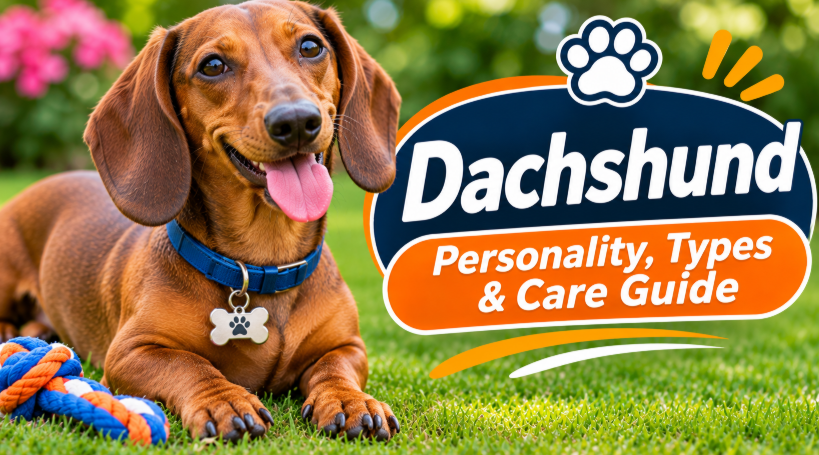
There is something special about a Dachshund. With its long body, short legs, floppy ears, and curious expression, this little dog has a personality that often seems much bigger than its size.
Originally bred in Germany to hunt badgers and other animals, the Dachshund is a courageous, intelligent, and determined companion. Today, many families love this breed for its affectionate nature, playful behavior, and ability to adapt to different homes.
But don't let its small size fool you. Dachshunds have strong hunting instincts and an independent personality. They need proper training, daily exercise, and special attention to their backs.
If you are considering bringing one home, here is what you should know about living with a Dachshund.
1. History and Origin of the Dachshund
The Dachshund originated in Germany, where it was developed as a hunting dog. Its name comes from the German words Dachs, meaning badger, and Hund, meaning dog.
Its long, low body helped it move through underground tunnels while hunting badgers. Its strong sense of smell and courageous temperament made it particularly useful for this work.
Although Dachshunds were originally working dogs, they gradually became popular companion animals.
According to the American Kennel Club's Dachshund breed profile, the breed is known for its curious, friendly, and lively personality.
2. Dachshund Sizes and Coat Types
One interesting thing about Dachshunds is that they come in different sizes and coat varieties.
The two main sizes are:
-
Standard Dachshund: Usually weighs between 16 and 32 pounds.
-
Miniature Dachshund: Generally weighs 11 pounds or less at 12 months of age or older under the American Kennel Club standard.
They also have three coat types:
-
Smooth-haired: Has a short, shiny coat that is relatively easy to maintain.
-
Long-haired: Features a soft coat with longer hair around the ears, chest, and tail.
-
Wire-haired: Has a rough outer coat and distinctive facial hair, including a beard and eyebrows.
Each variety has its own appearance, but all share the breed's recognizable body shape and lively personality.
3. Dachshund Temperament and Personality
Dachshunds are affectionate dogs with plenty of character. They often develop strong relationships with their owners and enjoy being involved in everyday family activities.
However, their hunting background also explains why they can be determined and independent.
Here are some personality traits commonly associated with the breed:
-
Loyal: They often form strong bonds with their families.
-
Curious: They enjoy investigating unfamiliar smells and surroundings.
-
Courageous: They can be surprisingly confident despite their small size.
-
Playful: Many enjoy interactive games and toys.
-
Alert: They often notice unfamiliar sounds and may bark to announce visitors.
-
Independent: They sometimes prefer following their own instincts.
Early socialization and positive training help them develop good behavior around people, children, and other animals.
4. Exercise and Daily Activity Requirements
Dachshunds enjoy exploring, walking, and playing. Although they are not built for demanding endurance activities, they still need regular physical movement.
Suitable activities include:
-
Daily walks at a comfortable pace.
-
Supervised play in secure outdoor spaces.
-
Scent games and simple tracking activities.
-
Interactive toys and food puzzles.
-
Short obedience training sessions.
One important consideration is their long back and relatively short legs.
Avoid encouraging repeated high jumps or strenuous activities that place unnecessary stress on their spine. Ramps and steps designed for pets can help them access furniture more safely.
Maintaining a healthy weight is also important because excess weight can increase pressure on their backs.
For more ideas, our guide to daily exercise requirements for dogs will help you understand how to build an appropriate activity routine.
5. Training and Socialization
Training a Dachshund can be a fun experience, although patience is essential.
These dogs are intelligent, but their independent nature can sometimes make them less responsive when something more interesting catches their attention.
Start with simple exercises and reward desirable behavior consistently.
Important training priorities include:
-
Basic commands: Teach sit, stay, come, and leave it.
-
Leash training: Encourage calm walking without pulling.
-
House training: Establish predictable bathroom routines.
-
Socialization: Introduce positive experiences with different people and environments.
-
Barking management: Reward calm behavior rather than encouraging unnecessary barking.
Avoid harsh punishment. Short, enjoyable sessions using treats, praise, and play are generally more effective.
6. Grooming and Coat Maintenance
Dachshund grooming requirements depend partly on coat type.
Smooth-haired Dachshunds usually need less brushing, while long-haired varieties require more frequent attention to prevent tangles.
Wire-haired Dachshunds also benefit from regular coat maintenance.
A basic grooming routine includes:
-
Brushing: Several times weekly, depending on coat type.
-
Bathing: When necessary using dog-safe shampoo.
-
Ear cleaning: Check regularly for unusual odor or irritation.
-
Nail trimming: Keep nails at a comfortable length.
-
Dental care: Brush regularly with dog-safe toothpaste.
The Dachshund Club of America offers additional breed-specific information for owners.
7. Nutrition and Feeding Requirements
Dachshunds enjoy food, and some can become quite enthusiastic when mealtime arrives.
However, feeding the correct portions is especially important for this breed because excess weight can place additional stress on its back.
Choose a complete and balanced diet appropriate for your dog's age, activity level, and individual nutritional requirements.
Keep these habits in mind:
-
Measure food portions carefully.
-
Establish regular feeding times.
-
Avoid excessive treats.
-
Provide fresh drinking water.
-
Monitor body condition regularly.
If you are unsure how much food your Dachshund needs, ask your veterinarian for recommendations based on its individual circumstances.
Our upcoming guide to complete dog nutrition will provide additional information about choosing appropriate food and feeding routines.
8. Common Dachshund Health Concerns
Dachshunds can live active and happy lives, but their distinctive body structure makes certain health concerns particularly important.
Intervertebral Disc Disease (IVDD)
IVDD is one of the most important conditions to understand when caring for a Dachshund. It affects the discs between the vertebrae and can cause back pain and neurological problems.
Responsible weight management, appropriate activity, and avoiding repeated high-impact jumps are sensible precautions, although they cannot eliminate the risk.
Other health concerns include:
-
Obesity: Excess weight can affect mobility and overall health.
-
Dental disease: Small mouths can be more susceptible to dental problems.
-
Eye conditions: Certain inherited eye disorders can affect the breed.
-
Patellar luxation: A condition involving displacement of the kneecap.
The Dachshund Club of America's health guide provides additional information about breed-related health concerns and preventive care.
If your Dachshund develops back discomfort, unusual movement, weakness, or changes in coordination, contact a veterinarian promptly.
9. Is a Dachshund the Right Dog for Your Family?
Dachshunds can make wonderful companions for people who appreciate an affectionate dog with an independent personality.
They may be suitable for households that:
-
Have time for daily walks and play.
-
Enjoy spending time with their pets.
-
Can provide consistent training.
-
Understand the importance of back care.
-
Can maintain regular grooming and veterinary appointments.
They can adapt to apartments and smaller homes, provided their exercise and companionship needs are met.
However, families with very young children should supervise interactions and teach them how to handle dogs gently, particularly because Dachshunds have sensitive backs.
10. Frequently Asked Questions About Dachshunds
Are Dachshunds good family dogs?
Yes. Many are affectionate and loyal companions. Proper socialization and supervised interactions with children are important.
Do Dachshunds bark a lot?
They can be vocal and may bark when they hear unfamiliar sounds or notice visitors.
Are Dachshunds easy to train?
They are intelligent but sometimes stubborn. Consistent, reward-based training and patience are important.
How long do Dachshunds live?
The Dachshund Club of America reports a typical life expectancy of approximately 12–16 years, although individual longevity varies.
Can Dachshunds climb stairs?
They may physically manage stairs, but repeated climbing and jumping can place additional demands on their backs. Ask your veterinarian about suitable home arrangements for your individual dog.
Conclusion
Dachshunds may be small, but they have enormous personalities. Their curiosity, loyalty, and playful nature make them wonderful companions for people who understand their needs.
The most important part of caring for this breed is paying attention to its back health, maintaining an appropriate body condition, and providing regular exercise without excessive physical strain.
With consistent training, balanced nutrition, proper grooming, and preventive veterinary care, a Dachshund can become a cherished member of the family for many years.
Deja un comentario