
Great Dane: Temperament, Size, Training, and Essential Care Guide
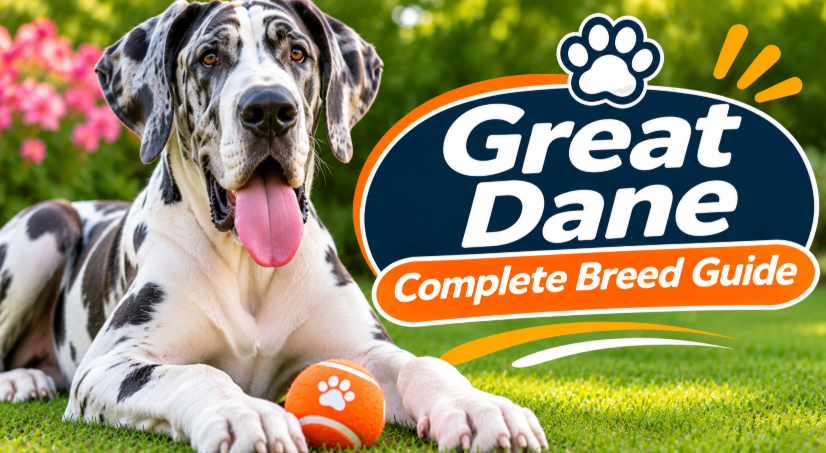
Standing beside a Great Dane for the first time can be quite an experience. These dogs are incredibly tall, have powerful bodies, and can easily attract attention wherever they go. However, behind their impressive appearance is often a gentle, affectionate companion that enjoys spending time with its family.
Known as the "Apollo of Dogs," the Great Dane combines strength, elegance, and a surprisingly friendly personality. Although its size can seem intimidating, many Great Danes are calm and enjoy relaxing at home just as much as going for a walk.
Still, owning a giant breed comes with special responsibilities. Their nutritional requirements, living arrangements, exercise routines, and health needs deserve careful consideration.
If you are thinking about welcoming a Great Dane into your family, this guide will help you understand what makes this breed unique.
1. History and Origin of the Great Dane
Despite its name, the Great Dane has strong historical connections to Germany. Its ancestors were large hunting dogs developed to pursue powerful game, including wild boar.
Over generations, breeders refined the dogs into the elegant and athletic breed recognized today.
Great Danes eventually became valued not only for their working abilities but also for their companionship and impressive appearance.
Today, they are popular family dogs among people who have enough space and resources to accommodate a giant breed.
The American Kennel Club's Great Dane profile provides additional information about the breed's history and characteristics.
2. Physical Characteristics and Appearance
Great Danes are among the tallest dog breeds. Their long legs, deep chests, and muscular bodies give them a distinctive appearance.
Typical adult measurements include:
- Male height: Approximately 30–32 inches or taller.
- Female height: Approximately 28–30 inches or taller.
- Male weight: Around 140–175 pounds.
- Female weight: Around 110–140 pounds.
Recognized coat colors include fawn, brindle, blue, black, mantle, and harlequin.
Their short, smooth coat is relatively easy to maintain, although their large size means everyday activities such as bathing and nail trimming require more planning.
3. Great Dane Temperament and Personality
Great Danes are often described as gentle giants because many have affectionate and relaxed personalities.
They usually enjoy being around their families and may not realize how much space they occupy when trying to sit beside someone.
Common personality characteristics include:
- Affectionate: They often enjoy close relationships with their owners.
- Friendly: Many are sociable when properly introduced to people and other animals.
- Gentle: They can be patient and calm in familiar environments.
- Alert: Their size and awareness can make them attentive to their surroundings.
- Playful: They enjoy games and interaction.
- Companionship-oriented: They generally prefer spending time with their families.
Early socialization is important because even friendly behavior can become difficult to manage when a dog is this large.
4. Exercise and Daily Activity Requirements
Although Great Danes are large and powerful, they do not need the same exercise routine as some high-energy working breeds.
They benefit from regular, moderate activity that supports their mobility and general fitness.
Suitable activities include:
- Daily walks at a comfortable pace.
- Supervised outdoor exploration.
- Gentle games in secure areas.
- Basic obedience exercises.
- Interactive toys and enrichment activities.
Growing Great Dane puppies require particular care. Avoid excessive jumping, repetitive high-impact exercise, and activities that place unnecessary stress on developing joints.
Adult dogs also benefit from appropriate rest periods.
For additional guidance, explore our article about daily exercise requirements for dogs.
5. Training and Socialization
Training is especially important for Great Danes because their size can make everyday situations challenging if they have not learned appropriate manners.
Fortunately, many are intelligent and capable of learning household routines and basic commands.
Important training priorities include:
- Basic commands: Teach sit, stay, come, and leave it.
- Leash manners: Encourage calm walking without pulling.
- Socialization: Introduce positive experiences with different people, dogs, and environments.
- Impulse control: Reward calm behavior around distractions.
- Household manners: Teach appropriate behavior around furniture, visitors, and everyday activities.
Use positive reinforcement through praise, toys, and suitable treats.
Start training early, when the dog is easier to manage physically. Consistency and patience are particularly important when raising a giant breed.
6. Grooming and Coat Maintenance
Great Danes have short coats that generally require less grooming than long-haired breeds.
However, regular maintenance remains important for skin health and overall comfort.
A simple grooming routine includes:
- Brushing: Once or twice weekly.
- Bathing: When necessary using dog-safe shampoo.
- Nail trimming: Check regularly and maintain comfortable nail length.
- Ear care: Inspect for dirt, irritation, or unusual odor.
- Dental hygiene: Brush regularly with dog-safe toothpaste.
Because of their size, grooming appointments and bathing arrangements may require additional space and preparation.
7. Nutrition and Feeding Requirements
Feeding a Great Dane requires careful attention because giant breeds have different nutritional needs from smaller dogs.
Puppies, in particular, need diets specifically formulated for large or giant breed growth. Excessive or unbalanced nutrient intake during development can negatively affect skeletal growth.
Consider these feeding habits:
- Choose complete and balanced food appropriate for the dog's life stage.
- Measure portions according to veterinary recommendations.
- Avoid excessive treats.
- Provide fresh drinking water.
- Monitor body condition regularly.
- Discuss feeding frequency and meal routines with your veterinarian.
Great Danes also have an increased risk of gastric dilatation-volvulus, commonly known as bloat. Discuss risk factors and appropriate preventive measures with your veterinarian.
The WSAVA Global Nutrition Guidelines provide helpful information about canine nutrition and selecting suitable diets.
8. Common Great Dane Health Concerns
Great Danes can be loving companions, but their size and genetics make certain health conditions particularly important.
Some concerns include:
- Gastric dilatation-volvulus (GDV): A serious emergency involving stomach expansion and possible twisting.
- Dilated cardiomyopathy (DCM): A heart condition affecting the heart muscle.
- Hip dysplasia: A developmental condition affecting the hip joints.
- Bone cancer: Osteosarcoma is an important health concern in giant breeds.
- Wobbler syndrome: A spinal condition that can affect coordination and movement.
Responsible breeders should prioritize appropriate health evaluations and provide information about the parents' health history.
The Great Dane Club of America offers additional breed-specific information about responsible ownership and health.
Regular veterinary examinations are essential. Ask your veterinarian about appropriate cardiac screening, joint health, and preventive care.
9. Is a Great Dane the Right Dog for Your Family?
Great Danes can make wonderful family companions, but their size requires practical preparation.
They may be suitable for households that:
- Have enough space for a giant dog.
- Can afford appropriate food and veterinary care.
- Have time for daily exercise and companionship.
- Can provide consistent training.
- Understand the special requirements of giant breeds.
- Can accommodate a large dog during transportation and veterinary visits.
They can adapt to indoor family life, provided their needs are met. However, their size means that small living spaces, narrow furniture arrangements, and limited transportation options can create practical challenges.
10. Frequently Asked Questions About Great Danes
Are Great Danes good family dogs?
Yes. Many are affectionate and gentle companions. Interactions with young children should always be supervised because of the dog's considerable size.
Do Great Danes need a large house?
Not necessarily, but they need enough room to move comfortably, suitable resting areas, and regular outdoor exercise.
Do Great Danes shed?
Yes. Their short coats shed throughout the year, although grooming is relatively simple.
Are Great Danes easy to train?
They can learn basic commands and household routines, especially when training begins early and uses positive reinforcement.
How long do Great Danes live?
Great Danes commonly have a life expectancy of approximately 7–10 years, although individual longevity varies.
Conclusion
Great Danes are impressive dogs with affectionate personalities and a reputation for being gentle companions. Their enormous size may be their most recognizable feature, but their loyalty and desire for human companionship are equally important.
Owning one requires careful preparation, particularly regarding nutrition, training, exercise, and veterinary care.
With a suitable environment and responsible ownership, a Great Dane can become a wonderful family companion and bring years of affection and memorable experiences into a home.
Deja un comentario