
Tick-Borne Diseases in Dogs: Risks, Warning Signs, and Prevention
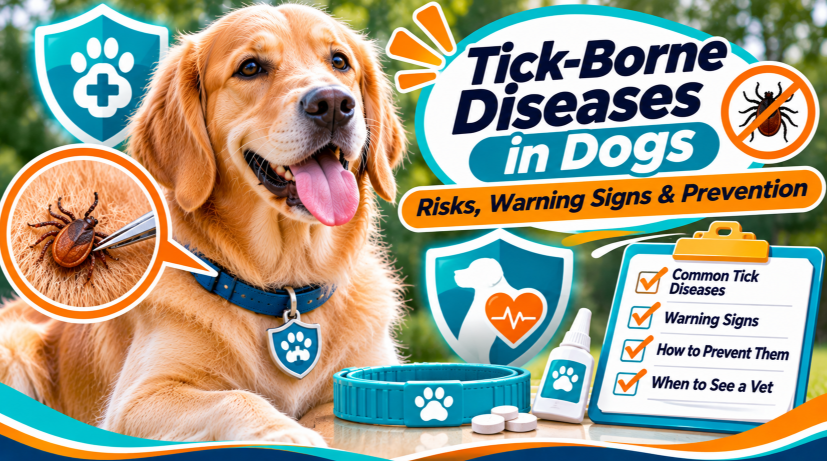
Ticks are more than an uncomfortable nuisance for dogs. These small parasites can transmit bacteria and other infectious organisms that may affect a dog's blood, joints, immune system, and internal organs.
Some dogs develop noticeable symptoms shortly after infection, while others may carry certain tick-borne organisms without appearing sick. This makes prevention and regular veterinary attention especially important.
Dogs that explore gardens, wooded areas, grassy spaces, and places where wildlife is present may encounter ticks more frequently. However, even pets that spend most of their time at home can be exposed.
In this guide, we will explore common tick-borne diseases in dogs, the symptoms owners should recognize, how veterinarians diagnose these infections, and practical ways to reduce the risk.
1. What Are Tick-Borne Diseases in Dogs?
Tick-borne diseases are infections transmitted through the bite of an infected tick.
When a tick feeds on an animal, it may introduce bacteria or other disease-causing organisms into the dog's body. These organisms can affect different tissues and organs depending on the type of infection.
Not every tick carries an infectious organism, and not every tick bite results in disease.
However, certain infections can become serious when they are not recognized and evaluated appropriately.
The Merck Veterinary Manual's guide to tick-borne infections provides detailed veterinary information about several important tick-transmitted diseases in animals.
2. Common Tick-Borne Diseases That Affect Dogs
Several infections can be transmitted by ticks. Their distribution and importance vary depending on the country, climate, and local tick species.
Ehrlichiosis
Ehrlichiosis is a bacterial infection commonly associated with the organism Ehrlichia canis.
It can affect blood cells and cause fever, reduced appetite, tiredness, and abnormalities involving blood clotting.
Some dogs develop chronic infections that may require extensive veterinary evaluation.
Anaplasmosis
Anaplasmosis is another bacterial disease transmitted by certain tick species.
Infected dogs may develop fever, reduced appetite, lethargy, joint discomfort, and occasionally bleeding-related abnormalities.
Some dogs show few or no obvious symptoms.
Lyme Disease
Lyme disease is caused by the bacterium Borrelia burgdorferi and is transmitted by specific infected ticks.
Affected dogs may develop fever, reduced appetite, tiredness, and intermittent lameness.
Joint inflammation is an important characteristic, although many exposed dogs never develop clinical illness.
Babesiosis
Babesiosis is caused by microscopic parasites that infect red blood cells.
Depending on the species involved and the dog's condition, the infection can cause anemia, fever, weakness, and other complications.
Hepatozoonosis
Certain Hepatozoon infections can affect dogs after they swallow infected ticks. This is different from the usual transmission route of most tick-borne infections.
Depending on the species, affected dogs may develop fever, muscle discomfort, weakness, and weight loss.
3. Warning Signs of Tick-Borne Diseases
One challenge with tick-borne infections is that their symptoms can resemble those of other illnesses.
Some dogs may initially show only subtle changes in their normal behavior.
Important warning signs include:
- Unusual tiredness or reduced activity.
- Fever.
- Loss of appetite.
- Weight loss.
- Joint discomfort or limping.
- Swollen lymph nodes.
- Vomiting or diarrhea.
- Unusual bruising or bleeding.
- Changes in normal behavior.
Some infections can also affect the eyes, kidneys, or nervous system.
Not every symptom indicates a tick-borne disease. However, if your dog develops unexplained fever, persistent weakness, or sudden mobility problems, contact your veterinarian.
4. Which Dogs Are More Likely to Be Exposed?
Any dog can encounter ticks, regardless of breed, size, or age.
However, exposure may be more likely in certain environments.
Dogs that regularly visit wooded trails, tall grass, rural properties, or areas with wildlife may have more opportunities to encounter ticks.
Living in a warm climate does not eliminate the risk. Different tick species are active under different environmental conditions, and some can remain present throughout much of the year.
Travel can also introduce dogs to tick species and infections that are less common in their home region.
For this reason, preventive recommendations should consider local conditions rather than relying on a single seasonal schedule.
5. How Are Tick-Borne Diseases Diagnosed?
Veterinarians use a combination of medical history, physical examination, and laboratory testing to investigate suspected tick-borne infections.
The diagnostic approach depends on the symptoms and the specific disease being considered.
Common examinations include:
Complete blood count: This test evaluates blood cells and may identify anemia or reduced platelet levels.
Blood chemistry: Helps assess organ function and identify other abnormalities.
Antibody testing: Certain tests detect antibodies produced after exposure to specific infectious organisms.
PCR testing: Molecular testing can identify genetic material from particular disease-causing organisms.
Blood smear examination: A veterinarian may examine blood under a microscope for certain parasites or other visible abnormalities.
A positive antibody result does not always mean a dog currently has an active infection. Results must be interpreted alongside symptoms, examination findings, and other laboratory results.
The Companion Animal Parasite Council's ehrlichiosis guidelines explain the importance of combining clinical findings, laboratory testing, and exposure history when evaluating infected dogs.
6. Treatment and Veterinary Care
Treatment depends on the infectious organism, the severity of the illness, and the dog's overall health.
Some bacterial infections respond to veterinarian-prescribed antimicrobial treatment. Other infections require different medical approaches and supportive care.
Dogs with complications may need additional monitoring and diagnostic examinations.
Treatment should always be based on an accurate veterinary assessment. Using leftover medications or attempting to treat a suspected infection without testing can delay appropriate care.
Early veterinary attention is particularly important when a dog develops persistent fever, unusual weakness, reduced appetite, or bleeding-related symptoms.
Your veterinarian can determine which tests are appropriate and establish a treatment and follow-up plan.
7. How to Prevent Tick-Borne Diseases in Dogs
Preventing tick exposure is one of the most effective ways to reduce the risk of tick-borne infections.
Consider incorporating these habits into your dog's regular healthcare routine.
Use veterinarian-approved tick prevention: Ask your veterinarian which preventive products are suitable for your dog's age, weight, and health.
Inspect your dog after outdoor activities: Pay particular attention to the ears, neck, legs, paws, and areas around the collar.
Maintain outdoor spaces: Keep grass reasonably trimmed and remove accumulated leaves where ticks may be present.
Avoid heavily infested areas: When possible, choose walking routes with fewer tick habitats.
Remove attached ticks promptly: If you discover a tick, use an appropriate removal method or seek veterinary assistance.
Maintain consistent prevention: Follow the recommended schedule rather than waiting until you notice a tick.
For additional information, the Cornell University College of Veterinary Medicine's anaplasmosis guide explains why ongoing tick prevention is important.
8. Can Tick-Borne Diseases Affect Humans?
Some organisms responsible for tick-borne diseases in dogs can also infect people.
However, people generally become infected through bites from infected ticks rather than through ordinary contact with an infected dog.
A dog carrying ticks may indicate that infected ticks are present in the surrounding environment.
Household members can reduce exposure by using appropriate personal tick protection, checking themselves after outdoor activities, and maintaining clean outdoor spaces.
If you discover ticks on your dog, handle them carefully and wash your hands afterward.
9. Frequently Asked Questions About Tick-Borne Diseases in Dogs
Can dogs get sick from a single tick bite?
Yes, a single bite from an infected tick may transmit certain pathogens. However, not every tick carries an infection, and transmission requirements vary between organisms.
How long does it take for symptoms to appear?
The timing depends on the infectious organism. Some infections produce signs within days or weeks, while others may remain unnoticed for longer periods.
Can tick-borne diseases be prevented?
Risk can be reduced through consistent tick prevention, regular inspections, prompt tick removal, and veterinary guidance.
Should dogs be tested for tick-borne diseases every year?
Testing recommendations depend on local disease risks, exposure history, preventive care, and veterinary judgment. Ask your veterinarian which screening schedule is appropriate.
Can a dog recover from a tick-borne disease?
Many tick-borne infections can be managed successfully with appropriate veterinary care. Outcomes depend on the organism, how advanced the infection is, and the dog's overall health.
Conclusion
Tick-borne diseases are an important health concern because they can affect different parts of a dog's body and sometimes develop without obvious early symptoms.
Understanding common infections such as ehrlichiosis, anaplasmosis, Lyme disease, and babesiosis helps owners recognize potential warning signs and seek veterinary attention when necessary.
Consistent tick prevention, regular coat inspections, and appropriate veterinary examinations are valuable parts of responsible dog ownership.
Remember that tick species and infectious diseases vary by location. Work with your veterinarian to choose a prevention plan that reflects your dog's environment, lifestyle, and individual health needs.
Deja un comentario