
Toxic Foods for Dogs: What Your Pet Should Never Eat
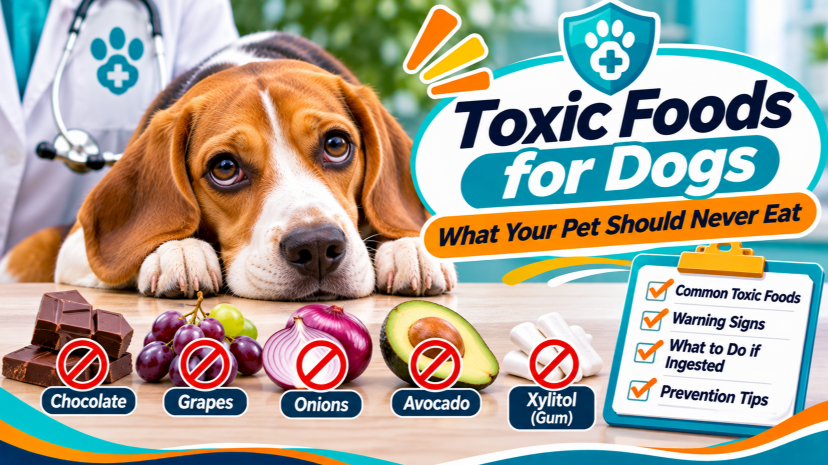
Sharing food with your dog may seem like a harmless way to show affection, especially when your pet watches you during meals. However, some everyday foods that are perfectly safe for humans can cause serious health problems in dogs.
Certain ingredients can affect a dog's digestive system, damage its organs, interfere with normal blood function, or cause dangerous neurological symptoms. The effects depend on the food involved, the amount consumed, and the dog's individual characteristics.
Knowing which foods to avoid is an important part of responsible pet ownership. In this guide, we will explore common toxic foods, explain the potential health risks, and discuss what to do if your dog accidentally eats something dangerous.
1. Chocolate: One of the Most Recognized Food Hazards
Chocolate contains theobromine and caffeine, two substances that dogs process differently from humans.
These compounds can affect the nervous and cardiovascular systems.
The risk depends on the type of chocolate, the amount consumed, and the dog's size. Dark chocolate, baking chocolate, and cocoa powder generally contain higher concentrations of these substances than milk chocolate.
Possible symptoms include vomiting, diarrhea, restlessness, excessive thirst, increased heart rate, tremors, and seizures.
Keep chocolate bars, baking ingredients, cocoa powder, and chocolate desserts out of your dog's reach.
2. Grapes and Raisins
Grapes and raisins are particularly concerning because they can cause acute kidney injury in dogs.
One of the difficulties with these foods is that individual sensitivity varies. It is not possible to reliably predict which dog will develop a serious reaction based on appearance alone.
Watch for possible signs such as:
- Vomiting.
- Reduced appetite.
- Unusual tiredness.
- Abdominal discomfort.
- Changes in urination.
Never offer grapes or raisins as treats, even in small quantities.
If your dog eats either food accidentally, contact a veterinarian immediately rather than waiting for symptoms.
3. Onions, Garlic, and Related Ingredients
Onions, garlic, leeks, and chives belong to the Allium family of plants.
These ingredients contain compounds that can damage red blood cells and potentially lead to anemia.
An important detail for dog owners is that these ingredients can remain harmful when cooked, dried, powdered, or incorporated into prepared meals.
For example, onion powder and garlic powder may appear in sauces, soups, seasonings, and leftover foods.
Possible warning signs include vomiting, weakness, reduced appetite, pale gums, and unusual tiredness.
Avoid sharing seasoned human meals with your dog unless you have confirmed that all ingredients are appropriate for pets.
4. Xylitol: A Dangerous Artificial Sweetener
Xylitol is a sugar substitute found in various sugar-free products.
It may appear in chewing gum, candies, baked goods, toothpaste, and certain nut butters.
In dogs, xylitol can trigger a rapid release of insulin, causing a dangerous decrease in blood sugar. It can also cause serious liver injury.
Possible symptoms include vomiting, weakness, difficulty coordinating movements, lethargy, and seizures.
Always check ingredient labels before offering packaged foods to your dog. Products advertised as sugar-free deserve particular attention.
If you suspect your dog has consumed xylitol, seek immediate veterinary assistance. Do not wait for symptoms to appear.
5. Macadamia Nuts and Other Potentially Harmful Nuts
Macadamia nuts are known to cause illness in dogs.
Affected animals may experience weakness, vomiting, difficulty walking, tremors, and increased body temperature.
Other nuts, including walnuts, pecans, and almonds, can also cause digestive problems because of their high fat content. Some may present additional risks, such as choking or intestinal obstruction.
Moldy nuts are particularly concerning because certain molds produce toxins that can affect the nervous system.
For these reasons, nuts are generally better kept away from dogs rather than used as everyday treats.
6. Alcohol and Raw Yeast Dough
Alcohol is dangerous for dogs because their bodies are not equipped to handle it safely.
Exposure can occur through alcoholic beverages, desserts containing alcohol, or other products with alcohol as an ingredient.
Possible effects include vomiting, poor coordination, weakness, breathing difficulties, and changes in normal behavior.
Raw yeast dough presents another concern. When swallowed, it can expand inside the digestive system while producing alcohol during fermentation.
This combination can create serious complications, including abdominal swelling and alcohol toxicity.
Keep alcoholic drinks and uncooked baking ingredients securely stored.
7. Coffee, Tea, and Energy Drinks
Caffeine is another substance that can be harmful to dogs.
It is present in coffee, tea, energy drinks, some soft drinks, and certain supplements.
Caffeine stimulates the nervous system and can affect heart function.
Depending on exposure, symptoms may include restlessness, vomiting, rapid heartbeat, tremors, and seizures.
Never allow your dog to drink coffee or energy drinks, and keep used coffee grounds and tea bags away from curious pets.
8. Are Avocados Dangerous for Dogs?
Avocados require a little more explanation.
Although avocado can cause digestive upset in dogs, its toxicity profile is different from that of grapes, raisins, or xylitol.
The flesh is generally less concerning than other parts of the plant, while the large pit presents an additional choking and intestinal obstruction risk.
The FDA's guide to potentially dangerous foods for pets discusses avocado alongside other foods that require caution.
It is best to avoid sharing avocado with your dog and keep the pit, skin, and discarded remains inaccessible.
9. What Should You Do If Your Dog Eats a Toxic Food?
Accidental ingestion can happen even in carefully managed households.
If you suspect your dog has eaten a potentially toxic food, take the situation seriously.
Follow these general steps:
- Remove any remaining food so your dog cannot eat more.
- Identify the food and check its packaging or ingredient list.
- Estimate when the ingestion occurred and how much may have been consumed.
- Contact your veterinarian or a local emergency veterinary clinic immediately.
- Follow professional instructions and bring the packaging if requested.
Do not attempt to induce vomiting or administer home remedies unless a veterinarian specifically instructs you to do so.
Some toxic effects can develop before visible symptoms appear, so prompt professional advice is important.
The ASPCA Animal Poison Control guide provides additional information about common food hazards and the importance of seeking veterinary guidance after suspected ingestion.
10. How to Prevent Accidental Food Poisoning
Prevention starts with simple household habits.
Store potentially dangerous foods in closed cabinets, avoid leaving snacks unattended, and keep kitchen waste in containers your dog cannot access.
Make sure everyone in your household understands which foods should never be shared with pets.
If visitors or children regularly offer your dog treats, explain the importance of checking ingredients first.
You can also establish a consistent feeding routine using food formulated for your dog's nutritional needs.
For more information about routine veterinary care, visit our Dog Wellness Exams guide.
Frequently Asked Questions About Toxic Foods for Dogs
Can a small amount of chocolate hurt a dog?
It can, depending on the chocolate type, the dog's size, and the amount consumed. Contact a veterinarian after suspected ingestion rather than trying to calculate the risk yourself.
Are cooked onions safe for dogs?
No. Cooking does not reliably eliminate the compounds responsible for onion toxicity.
Can dogs eat peanut butter?
Some plain peanut butters may be suitable in small amounts, but always check the ingredients for xylitol and avoid products containing unsafe additives.
What happens if a dog eats grapes?
Grapes can cause acute kidney injury. Contact a veterinarian immediately, even if your dog appears normal.
How can I tell if my dog has food poisoning?
Possible signs include vomiting, diarrhea, weakness, unusual behavior, tremors, and reduced appetite. Symptoms vary depending on the substance involved.
Conclusion
Knowing which foods are toxic to dogs can help prevent avoidable health emergencies. Chocolate, grapes, raisins, onions, garlic, xylitol, macadamia nuts, alcohol, and caffeine are among the important hazards every dog owner should recognize.
The safest approach is to avoid sharing unfamiliar human foods and check ingredients before offering your pet anything outside its regular diet.
If your dog accidentally consumes a potentially toxic ingredient, contact a veterinarian promptly rather than waiting for symptoms.
A little awareness in the kitchen can make a meaningful difference in protecting your dog's health and well-being.
Deja un comentario