
Traveling With Your Dog: Preparation, Safety, and Essential Tips
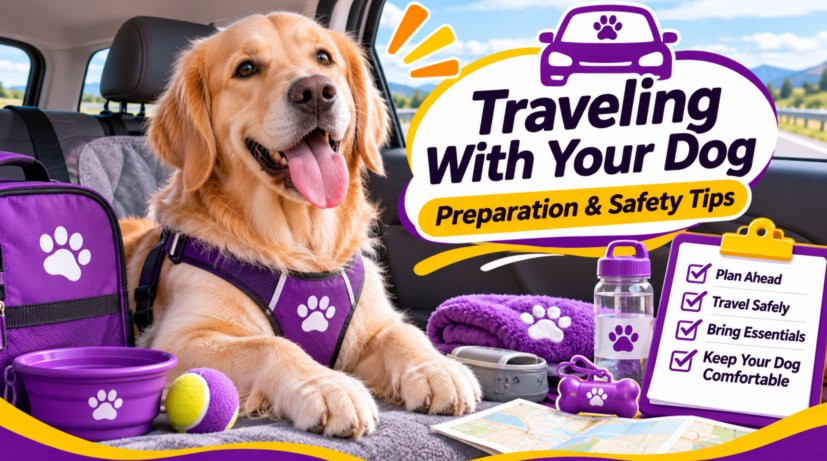
Traveling with your dog can be a wonderful way to create new memories together. Whether you are planning a weekend road trip, visiting family, or going on a longer vacation, bringing your four-legged companion requires some preparation.
Dogs experience travel differently. Some enjoy exploring new places, while others may feel uncomfortable with unfamiliar environments, car rides, or changes in their daily routines.
The key to a successful trip is understanding your dog's needs and making sure it remains safe and comfortable throughout the journey.
In this guide, we will cover essential travel preparations, transportation safety, packing tips, and ways to make traveling with your dog a more enjoyable experience.
1. Prepare Your Dog Before Traveling
Good preparation starts well before departure.
First, consider whether your dog is comfortable traveling and whether its health allows it to make the journey. Puppies, senior dogs, and pets with existing medical conditions may need additional considerations.
Schedule a veterinary examination if necessary and discuss vaccinations, parasite prevention, and any health concerns related to your destination.
You should also check whether your dog has:
- An updated identification tag.
- A registered microchip, if available.
- Current vaccination records.
- Appropriate parasite prevention.
- Any required travel health documents.
If your destination is another country, research its animal entry requirements early. Some destinations require specific vaccinations, health certificates, or additional documentation.
The American Veterinary Medical Association (AVMA) provides useful recommendations for preparing pets for different types of travel.
2. Get Your Dog Comfortable With Car Rides
Not every dog immediately enjoys traveling in a vehicle.
Some become excited, while others experience nervousness or motion sickness.
If your dog is unfamiliar with car travel, introduce the experience gradually.
Start with short sessions in a stationary vehicle, allowing your dog to become comfortable with the surroundings. Then introduce brief drives before attempting longer journeys.
Reward calm behavior with praise and appropriate treats.
A few helpful tips include:
- Keep the vehicle environment comfortable.
- Introduce a familiar blanket or toy.
- Avoid sudden movements when possible.
- Maintain a calm atmosphere.
- Increase travel time gradually.
If your dog regularly experiences nausea, drooling, or vomiting during car rides, consult your veterinarian about suitable management options.
3. Keep Your Dog Safe During the Journey
Vehicle safety should always be a priority.
Dogs should never travel freely around a moving vehicle because sudden braking can put both the animal and passengers at risk.
Use an appropriately sized, secured travel crate or a suitable crash-tested dog safety harness.
Additional precautions include:
- Keep your dog in the back seat or an appropriately secured travel area.
- Never allow it to sit on the driver's lap.
- Avoid allowing its head to hang outside the window.
- Keep doors and windows secure during stops.
- Never leave your dog unattended in a parked vehicle.
A parked car can become dangerously hot even when outdoor temperatures seem comfortable.
The ASPCA Travel Safety Guide explains important precautions for traveling with pets by car and other transportation methods.
4. Pack Essential Items for Your Dog
Preparing a separate travel bag for your dog makes it easier to organize everything needed throughout the trip.
Consider packing:
- Regular dog food.
- Fresh drinking water.
- Food and water bowls.
- Leash and comfortable harness.
- Waste bags.
- Identification tags.
- Vaccination and health records.
- Necessary medications.
- Basic grooming supplies.
- A familiar blanket or favorite toy.
- An appropriate pet first aid kit.
Bring enough food for the entire journey and a little extra in case of unexpected delays.
Maintaining your dog's regular diet can help avoid unnecessary digestive changes during travel.
5. Plan Regular Breaks During Road Trips
Long journeys can become uncomfortable when dogs remain in the same position for extended periods.
Plan regular stops at safe locations where your dog can stretch, drink water, and relieve itself.
For longer road trips, the AVMA recommends planning stops approximately every two hours.
During these breaks:
- Keep your dog on a leash.
- Choose safe areas away from traffic.
- Offer fresh drinking water.
- Allow time to walk and explore.
- Check that your dog appears comfortable.
Avoid allowing your dog to approach unfamiliar animals without considering the situation.
When returning to the vehicle, make sure your pet is properly secured before continuing the journey.
6. Choose Dog-Friendly Accommodation
Not every hotel, rental property, or vacation destination accepts pets.
Before booking accommodation, confirm its pet policies.
Ask about:
- Size or breed restrictions.
- Additional pet fees.
- Designated outdoor areas.
- Rules about leaving dogs alone.
- Nearby walking spaces.
- Available pet facilities.
Once you arrive, inspect the room before allowing your dog to explore.
Remove or secure anything potentially dangerous, including exposed electrical cables, small objects, cleaning products, and unfamiliar food.
Bring familiar bedding or toys to help create a more comfortable resting environment.
7. Maintain Your Dog's Daily Routine
Travel introduces new surroundings, sounds, and experiences. Maintaining familiar routines can help dogs adjust more comfortably.
Try to preserve regular feeding times, bathroom breaks, walking schedules, and sleeping arrangements.
Avoid introducing several unfamiliar foods or treats during the trip.
Also provide opportunities for rest. Not every destination needs to involve constant activity.
Some dogs enjoy exploring new environments immediately, while others need additional time to become comfortable.
If your dog shows persistent signs of distress, consult a veterinarian.
Our dog anxiety guide explains common stress triggers and ways to support dogs experiencing anxiety.
8. Traveling by Plane With Your Dog
Air travel requires additional planning because airline policies and destination regulations can vary considerably.
Before booking, contact the airline directly and confirm:
- Whether dogs are permitted.
- Available cabin or approved transport options.
- Carrier dimensions and requirements.
- Required health documents.
- Check-in procedures.
- Restrictions based on breed, size, or health.
Some short-nosed breeds may face additional respiratory risks during air travel.
Discuss your dog's suitability for flying with your veterinarian before making arrangements.
Never give sedatives or other medication for air travel without veterinary guidance.
For international journeys, consult the USDA APHIS Pet Travel information and the official animal import requirements of your destination country.
9. Frequently Asked Questions About Traveling With Dogs
Can all dogs travel comfortably?
No. Some dogs experience significant discomfort, anxiety, or motion sickness. Consider their health and temperament before planning a trip.
Should I feed my dog before a road trip?
Avoid giving a large meal immediately before departure. Ask your veterinarian about an appropriate feeding schedule, particularly if your dog experiences motion sickness.
How often should I stop during a long road trip?
For extended journeys, plan regular breaks, approximately every two hours, for water, bathroom needs, and gentle movement.
What documents should I bring?
Carry vaccination records, identification information, and any health certificates or permits required by your destination.
Can I leave my dog alone in a parked car?
No. Parked vehicles can become dangerous for dogs because temperatures can rise rapidly, creating a risk of heat-related illness.
Conclusion
Traveling with your dog can be an enjoyable experience when its safety, comfort, and individual needs are considered.
Plan ahead, prepare the necessary documents, use appropriate vehicle restraints, pack familiar supplies, and schedule regular breaks.
Most importantly, remember that every dog responds differently to travel. Some enjoy long adventures, while others prefer shorter journeys and familiar surroundings.
By preparing carefully and respecting your dog's needs, you can make your next trip safer, more comfortable, and more enjoyable for everyone.
Deja un comentario