
Understanding Dog Food Allergies: Common Ingredients and Dietary Solutions
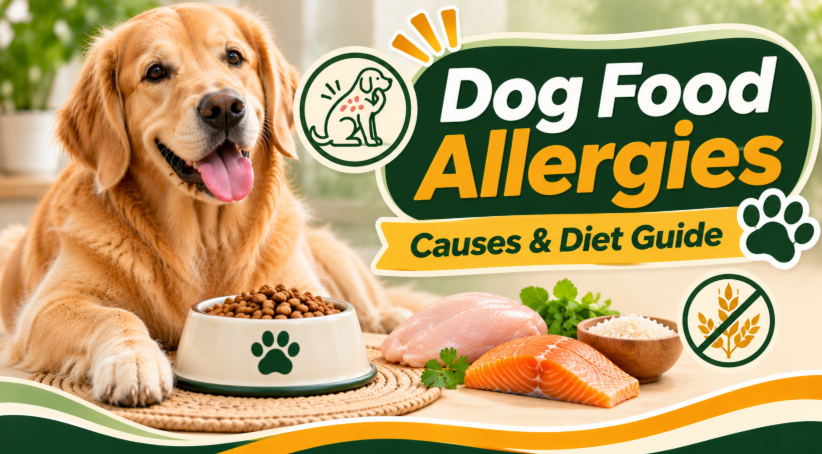
Food plays an important role in your dog's overall health, but sometimes certain ingredients can trigger unwanted reactions. If your dog experiences persistent itching, recurring ear problems, or digestive discomfort, a food allergy may be one possible explanation.
Understanding food allergies can help you make better nutritional decisions and recognize when professional guidance is needed.
However, identifying a food allergy is not as simple as removing one ingredient and hoping the problem disappears. It requires a careful approach to diet selection and veterinary evaluation.
In this guide, we will explain how food allergies work, which ingredients are commonly associated with reactions, and how specialized diets can help manage them.
1. What Are Food Allergies in Dogs?
A food allergy occurs when a dog's immune system mistakenly identifies a particular food protein as a threat and responds to it.
This reaction can affect the skin, ears, and digestive system.
Unlike some environmental allergies, food-related reactions are not necessarily seasonal. Dogs can experience symptoms throughout the year because they regularly consume the ingredients responsible for the reaction.
Food allergies can develop at different ages, even in dogs that have eaten the same food for a long time.
According to the Merck Veterinary Manual, dietary hypersensitivity can cause persistent itching, recurring skin infections, and other clinical signs.
2. Common Ingredients Associated With Food Allergies
Almost any dietary protein can potentially trigger an allergic reaction. However, some ingredients are reported more frequently than others.
Common examples include:
Beef: One of the frequently reported food allergens in dogs.
Chicken: A common protein source that can trigger reactions in some sensitive dogs.
Dairy products: Certain dogs can develop allergic reactions to proteins found in milk products.
Wheat: Wheat proteins can be involved in food allergies, although true wheat allergy should not be confused with general grain intolerance.
Lamb: Another animal protein that can trigger reactions in some dogs.
An important point is that an ingredient is not automatically harmful simply because it appears on this list.
Most dogs tolerate these ingredients perfectly well. Whether a particular food causes a reaction depends on the individual animal.
3. Food Allergies vs. Food Intolerances
These two terms are often used interchangeably, but they describe different problems.
A food allergy involves the immune system, which reacts to a specific food component.
A food intolerance generally involves a non-immune response to an ingredient or food component.
For example, a dog may experience digestive discomfort after consuming a particular food without having an actual immune-mediated allergy.
Understanding this difference matters because the diagnostic approach and dietary recommendations may vary.
Your veterinarian can help determine whether the problem is related to an allergy, intolerance, infection, or another medical condition.
4. How Do You Know If Your Dog Has a Food Allergy?
Food allergies can produce different symptoms depending on the individual dog.
Some commonly reported signs include:
- Persistent itching throughout the year.
- Repeated ear infections.
- Frequent licking of the paws.
- Recurring skin irritation.
- Digestive problems such as vomiting or diarrhea.
- Recurrent skin infections.
These signs are not exclusive to food allergies. Environmental allergies, parasites, infections, and other conditions can produce similar problems.
That is why a proper veterinary examination is important before changing your dog's regular diet.
5. What Is an Elimination Diet?
An elimination diet is the most reliable approach veterinarians use to investigate suspected food allergies.
The process involves feeding a carefully selected diet that avoids previously consumed or suspected dietary proteins.
There are two commonly used approaches:
Novel protein diet: Uses a protein source that the dog has not previously eaten, selected according to its complete dietary history.
Hydrolyzed protein diet: Contains proteins broken into smaller fragments to reduce the likelihood of triggering an immune response.
The diet is generally followed exclusively for approximately eight weeks, although some cases require longer under veterinary supervision.
During this period, the dog should not receive unrelated treats, table food, flavored supplements, or other unapproved foods.
Even small dietary additions can interfere with the results.
The American Animal Hospital Association's allergy management guidelines provide additional information about veterinary diet trials.
6. Understanding Hydrolyzed Protein Dog Food
Hydrolyzed protein diets are specially formulated foods used in certain veterinary dietary trials.
During manufacturing, proteins are broken into smaller components through a process called hydrolysis.
The goal is to reduce the likelihood that the immune system will recognize these protein fragments as allergens.
These diets are commonly considered when a dog has a suspected food allergy and its previous dietary history makes selecting a novel protein difficult.
However, not every hydrolyzed product is identical. Your veterinarian should select an appropriate complete and balanced formula.
Learn more through the North Carolina State University Veterinary Hospital guide to hydrolyzed diets.
7. Why Food Trials Must Be Strict
One of the biggest reasons elimination diets fail is accidental exposure to ingredients outside the recommended diet.
During a veterinary food trial, owners should pay attention to:
- Commercial treats.
- Table scraps.
- Flavored dental chews.
- Food-based supplements.
- Flavored medications.
- Other pets' food.
Even products that appear unrelated to regular meals can contain proteins that interfere with the dietary trial.
Before introducing anything new, ask your veterinarian whether it is compatible with the selected diet.
8. How Are Food Allergies Confirmed?
If your dog improves during the elimination diet, your veterinarian may recommend reintroducing the previous food under controlled conditions.
This is called a dietary challenge.
If the original symptoms return after reintroduction and improve again when the elimination diet is resumed, this supports the diagnosis of a food allergy.
Blood, saliva, and hair tests are not considered reliable substitutes for a properly conducted elimination diet and dietary challenge.
The Merck Veterinary Manual explains why controlled dietary trials remain important for identifying food allergies.
9. Common Mistakes When Managing Dog Food Allergies
Managing a suspected food allergy requires patience and consistency.
Avoid these common mistakes:
- Changing foods repeatedly without veterinary guidance.
- Assuming grain-free food automatically prevents allergies.
- Using online allergy tests as a definitive diagnosis.
- Giving treats during an elimination trial.
- Selecting proteins without reviewing the dog's dietary history.
- Stopping a prescribed diet before the recommended period.
- Preparing homemade elimination diets without professional formulation.
Remember that a dog with a food allergy still needs complete and balanced nutrition.
For more information about protein selection, visit our guide to the best protein sources for dogs.
Frequently Asked Questions About Dog Food Allergies
What is the most common food allergy in dogs?
Beef and dairy products are frequently reported allergens, although chicken, wheat, lamb, and other ingredients can also trigger reactions.
Can dogs suddenly develop food allergies?
Yes. Dogs can develop food allergies even after eating the same food for an extended period.
Is grain-free food suitable for dogs with food allergies?
Not necessarily. Grain-free products may contain proteins that trigger allergic reactions. Removing grains does not automatically solve a food allergy.
How long does an elimination diet take?
A veterinary elimination diet commonly lasts approximately eight weeks, although some dogs need additional time.
Can food allergies be cured?
There is generally no simple cure. Long-term management usually involves identifying and avoiding the ingredients responsible for the reaction.
Conclusion
Food allergies can make nutritional decisions more complicated, but understanding how they work can help owners manage their dogs' dietary needs more confidently.
The most important step is identifying the ingredient responsible for the reaction rather than unnecessarily removing entire food groups.
Veterinary-guided elimination diets, appropriate protein selection, and consistent feeding routines can help identify dietary triggers and support long-term nutritional health.
If you suspect your dog has a food allergy, consult your veterinarian before making significant changes to its diet. A properly selected nutritional plan can make a meaningful difference in your companion's comfort and overall well-being.
Deja un comentario